
Nowadays, everything we do begs the question - what impact will this have on climate change? Whether it's choosing a toothbrush or fueling your car - if it's bad for the environment, we're told to avoid it at all costs.
Today, we take a closer look at Japanese knotweed to find out what impact it is having on the climate, and whether there's anything that can be done to minimise its effects.

Japanese knotweed has been plaguing homeowners since the 19th century, and it doesn't look like it'll be slowing down anytime soon. Landowners who leave Japanese knotweed untreated are usually the root cause of the problem. One minute the Japanese knotweed is contained to their land, and the next it crops up in all the gardens in the street!
If you find Japanese knotweed on your property (and you know you didn't put it there), then the first thing that you'll want to get to the bottom of is where it came from and who's responsible for it. Japanese knotweed can cause structural damage, reduce the value of your home and is expensive to remove so there's no doubt that you'll want to make a compensation claim as soon as possible.
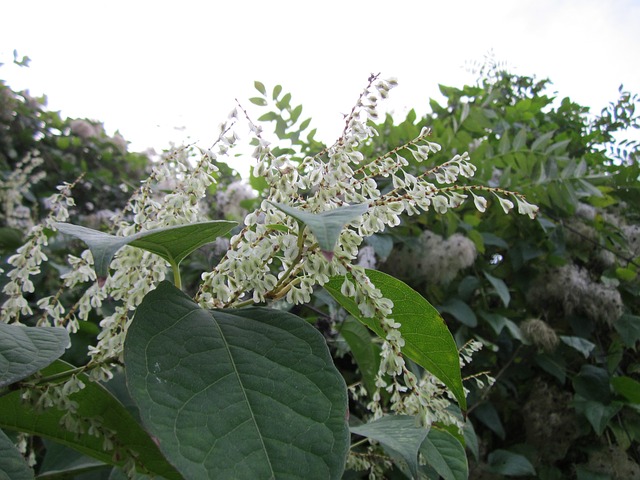
A housing association has come under fire after it allowed a Japanese knotweed plant to encroach on a neighbouring garden. Here's the full story...
The owner of a home in Peckham contacted his lawyer after spotting some Japanese knotweed emerging on his property. He had owned the terraced house for over 32 years and identified the invasive weed making its way into his garden.
When Japanese knotweed is found on or near properties, it can pose an array of potentially expensive problems for a number of different parties. Firstly, homeowners who spot knotweed near their property may begin to worry about its far-reaching and invasive rhizomes growing through buildings and foundations causing structural damage.
Secondly, estate agents worry as Japanese knotweed near properties may pose a risk to potential sales. And lastly, property developers fear unbudgeted costs due to Japanese knotweed treatment and site delays if the plant is not dealt with properly from the very start.
With all of these potential problems, it comes to no surprise that many people take to dealing with Japanese knotweed themselves. However, as knotweed becomes more problematic due to its ability to spread easily if managed incorrectly, much legislation on the management and removal of knotweed now exists. One of the most commonly asked questions surrounding knotweed and its removal is "can Japanese knotweed be burnt?"
To make things easy to understand, the experts here at Total Weed Control are here to tell you.
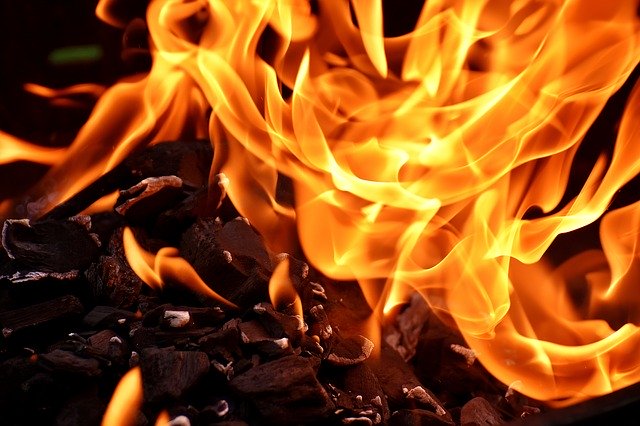

It is agreed amongst professionals and experts that the invasive plant Japanese knotweed can cause problems to homes and properties as a result of its ability to grow and spread at an alarming rate. But can Japanese knotweed cause subsidence? Total Weed Control is here to help you find out!
Before we can look into whether knotweed can cause subsidence, we must first try to understand what subsidence means. According to the Cambridge Dictionary, the term subsidence means 'the process by which land or buildings sink to a lower level'. Therefore, the understanding is whether Japanese knotweed possesses the ability to cause lands or buildings to sink, leading to extreme structural damage.
Many varying opinions exist on this topic, with some arguing that knotweed does cause subsidence and some arguing that it doesn't. We're here to offer our professional opinion on the matter to try and answer the questions as best we can as well as letting you know how Total Weed Control can help if you've spotted knotweed on or near your property and are worried about the potential damage it can cause.

 Is It Japanese Knotweed?
