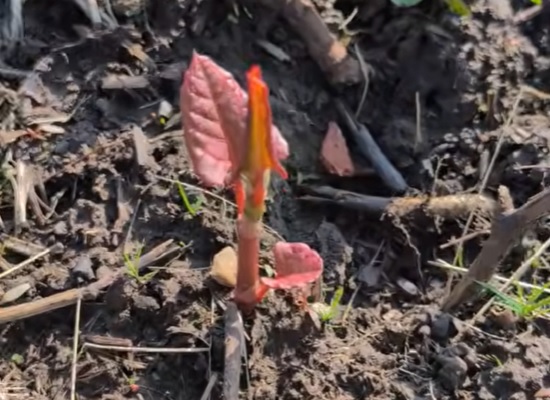
Japanese knotweed seems to be emerging unusually early in parts of the UK this year, with active shoots already visible now in the first week of March.
If you own or manage land, it's well worth checking the ground for signs of Japanese knotweed. Even this early in the season, you may well be able to spot some shoots. Early identification can make treatment more straightforward and improve your chances of preventing the plant from spreading during the warmer months ahead.
In the fight to control Japanese knotweed, scientists have discovered a new method: Aphalara itadori, a tiny jumping insect from Japan that eats the invasive plant.
SHORT ANSWER: Yes, you must declare Japanese knotweed when selling a house. Failure to do so can result in legal action from the buyer.
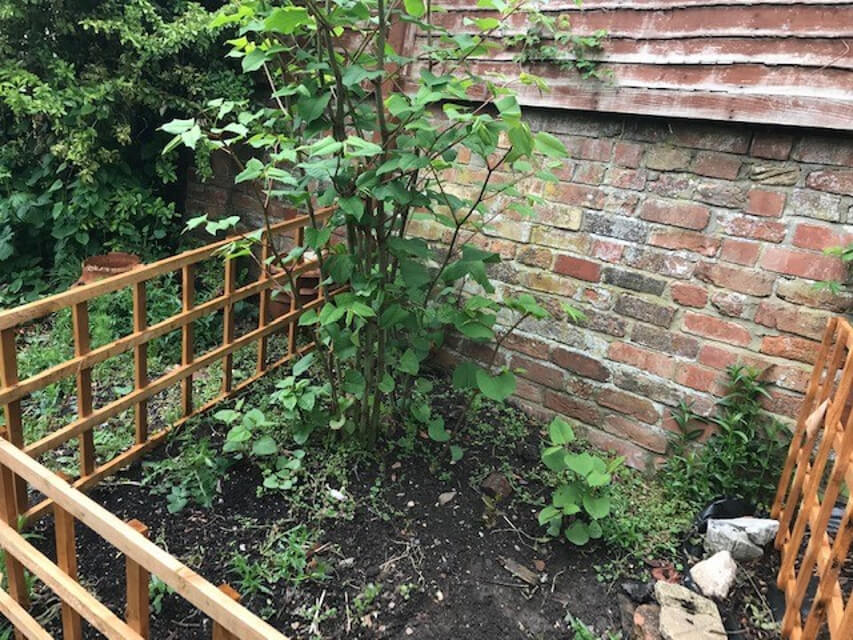
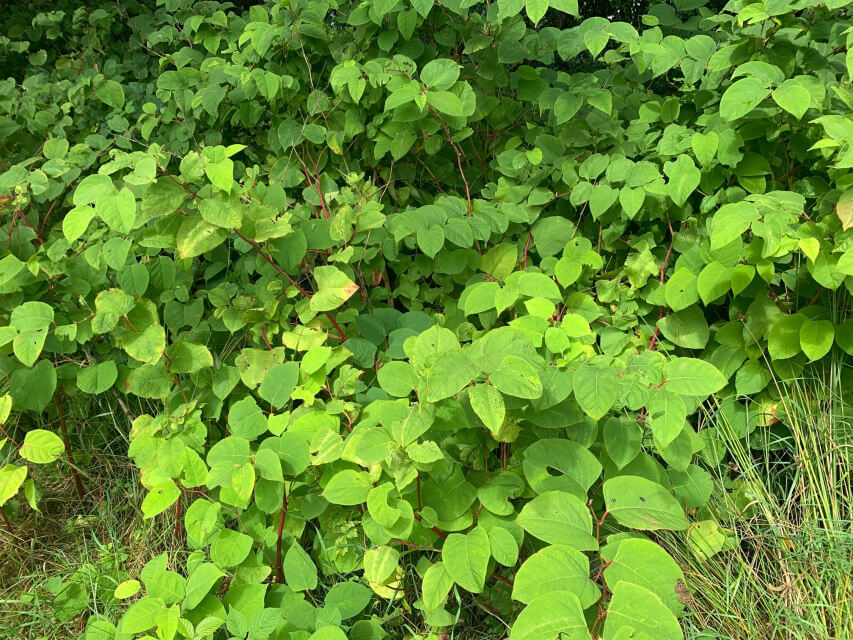
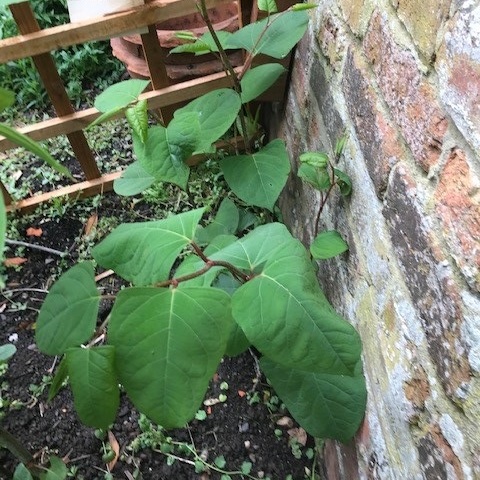
Japanese Knotweed can be a tricky plant to identify due to the fact its appearance changes throughout the year. It can also look quite similar to other plants like Bindweed, Russian Vine, Bamboo and Broadleaf Dock.
Fortunately, there are a few defining features of Japanese Knotweed to look out for. If you need help identifying Japanese Knotweed, read our handy Japanese Knotweed identification guide.

Japanese knotweed can decrease a property’s value by up to 20%, but the actual impact varies on a case-by-case basis. If only a small stand is present, the property value may only decrease by 5%. A larger infestation, however, could completely devalue a property!

 Is It Japanese Knotweed?
