People are always on the lookout for inventive ways to deal with Japanese knotweed. In a previous blog, we looked at whether salt could dehydrate and eventually kill it off, but sadly, the answer was no. Professional herbicides were required to deal with this hardy invasive species! But can any other naturally occurring materials kill Japanese knotweed?
Today we're looking at a different substance to see whether or not it can do a better job. As you can see from the title, today we're looking at the weed-killing properties of lime. No, not the kind that's often sliced and served in a mojito, the kind that's found in the earth's crust as limestone, chalk and marble.
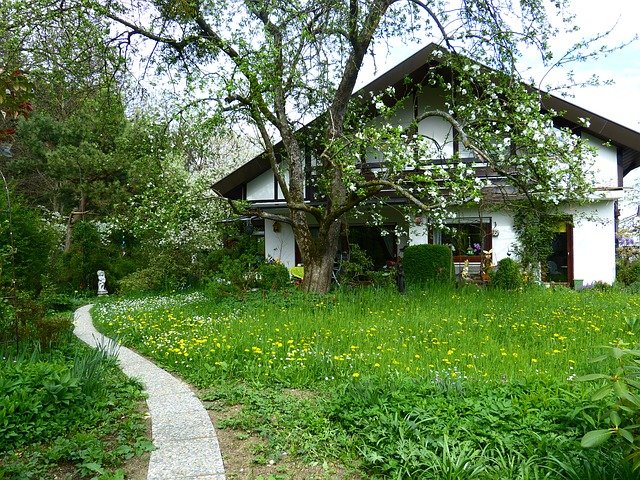
When it comes to Japanese knotweed, is there a distance away from your house that means it's okay? Are there circumstances where you should leave it alone? Let's find out!

Not all weeds are created equally, some need extra special attention. Unfortunately, Japanese knotweed is one of those 'special attention' weeds and if you find it on your property then it's vital that you deal with the problem quickly. There are lots of different approaches to eradicating Japanese knotweed, some are more drastic than others! Burning and backyard excavation can be quite intimidating to people, especially if the knotweed is located close to their homes or businesses, so people often seek alternatives.
One method of treating Japanese knotweed that doesn't require any digging or burning is covering it to choke it out. By depriving any living shoots of water and sunlight, they should die... right?
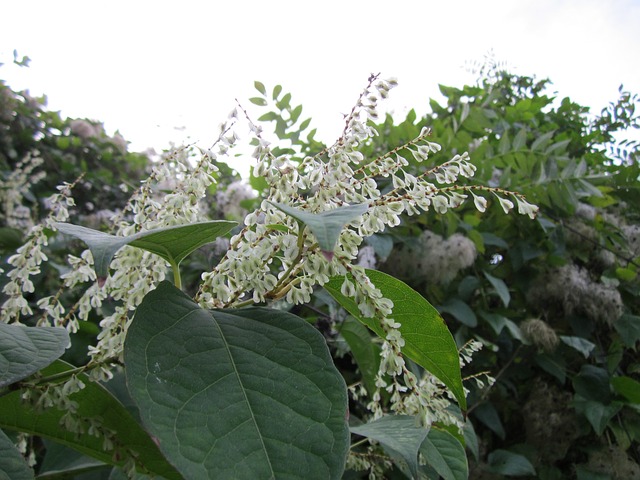
If you have Japanese knotweed on your land, you're not obliged to destroy it, but it is your responsibility to ensure that this invasive weed doesn't spread to anybody else's property. Should the plant spread on your watch, you may find yourself liable from a legal standpoint.
So what happens when there's Japanese knotweed on land adjoining yours? Should you just sit back and relax, safe in the knowledge that you'll be entitled to compensation if the owner of the neighbouring plot allows their knotweed to encroach on your property?
Well, that's not what we recommend. Far better to take action now and make sure you're covered if the knotweed next door becomes your problem as well.
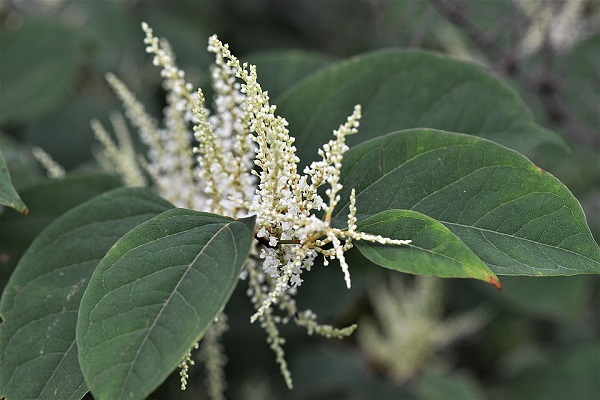
If you've found Japanese knotweed on your property, it's important you get rid of it quickly and efficiently. Leaving knotweed for weeks or months can have a detrimental impact on your property, and even lead to disputes with neighbours!
Of course, there's more than one way to tackle Japanese knotweed, and some ways are better than others. In today's blog, we'll take a look at the best way to get rid of Japanese knotweed.

 Is It Japanese Knotweed?
