Disposing of Japanese knotweed is a delicate business. One must be extremely careful when handling this invasive weed - even a tiny fragment of its hardy rhizome root system can grow into a whole new plant if returned to the soil.
For this reason, there are a lot of rules about what you can and can't do with Japanese knotweed after digging it up. If you allow the plant to spread into the wild, you may be fined thousands of pounds or even imprisoned (see Japanese Knotweed Law).

Moving into a new home should be a happy experience. You're starting a fresh chapter and (hopefully) moving a step higher on the property ladder. But if you've unknowingly bought a house that's affected by Japanese knotweed, your joy may be rather short-lived.
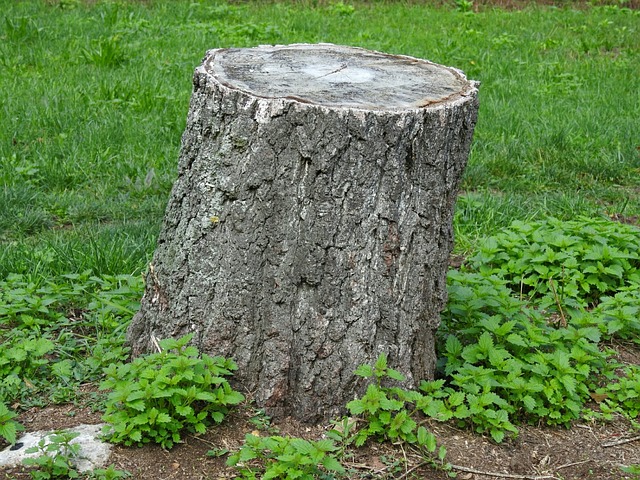
When a tree is cut down, a stump of wood is usually left behind. These unsightly stumps can be removed via a process called stump grinding, where specialist machinery is used to grind the wooden tree stump down to chippings.
But is this actually necessary? Granted, a bare tree stump can be unattractive, but are there are any reasons to remove a tree stump other than making the landscape more picturesque?
Last month, the Daily Mail reported that a homeowner in Buckinghamshire had found Bohemian knotweed (Fallopia x bohemica) growing in his garden. Stuart Marshall from Aylesbury ended up calling in an invasive weed specialist to remove this troublesome plant from his property.
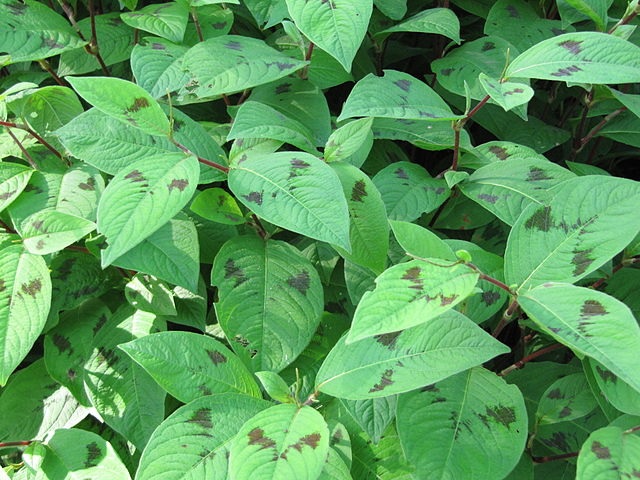
Image source: Wikimedia Commons

SHORT ANSWER: No, Japanese knotweed is not poisonous. In fact, the plant can make a tasty and nutritious addition to all sorts of different recipes!
Japanese knotweed is a troublesome plant that causes a lot of problems here in the UK. It grows very quickly, it can cause damage as it spreads, and if there's Japanese knotweed in your garden, you may find it difficult to sell your property.
Still, knotweed's not all bad. Unlike some other invasive plants (such as giant hogweed, whose sap can cause severe skin inflammation), Japanese knotweed is not directly harmful to humans - you can actually cook it and eat it with no ill effect.

 Is It Japanese Knotweed?
