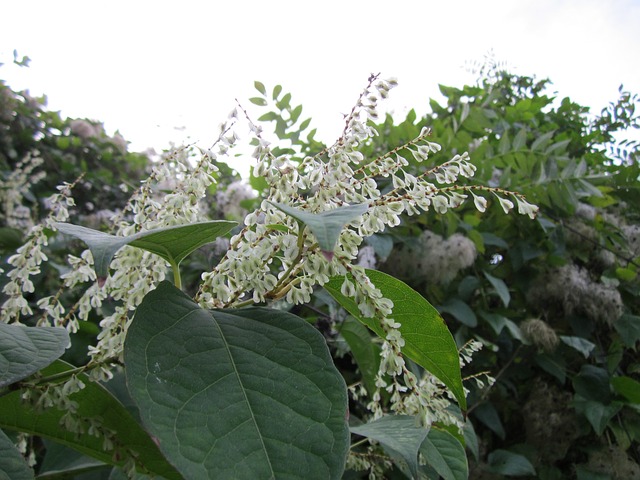
Worried about Japanese knotweed? Book a site survey and we’ll send an invasive weed specialist to take a look.
Total Weed Control
call us today on 01639 710914

If you have Japanese knotweed on your land, you're not obliged to destroy it, but it is your responsibility to ensure that this invasive weed doesn't spread to anybody else's property. Should the plant spread on your watch, you may find yourself liable from a legal standpoint.

So what happens when there's Japanese knotweed on land adjoining yours? Should you just sit back and relax, safe in the knowledge that you'll be entitled to compensation if the owner of the neighbouring plot allows their knotweed to encroach on your property?

Well, that's not what we recommend. Far better to take action now and make sure you're covered if the knotweed next door becomes your problem as well.
More...

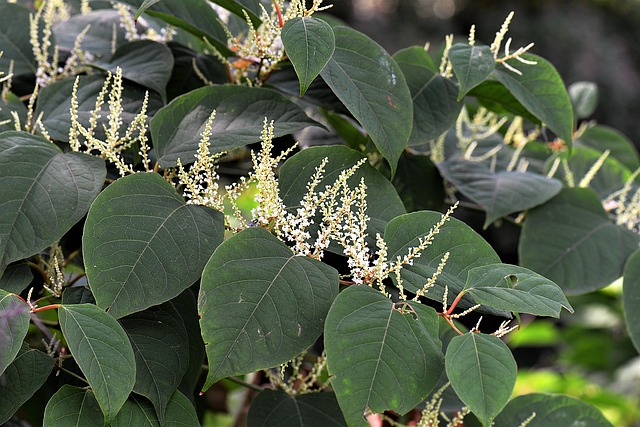
Japanese knotweed

SHORT ANSWER: To kill Japanese knotweed, we recommend a three-year herbicide programme, followed by a two-year monitoring period to make sure it doesn't come back. However, we also offer excavation and removal if you need quick results.

Like old habits and Bruce Willis, Japanese knotweed dies hard. This invasive plant species is tough and versatile - it can grow in all sorts of different environments, and it's very difficult to destroy. Just when you think you've gotten rid of it once and for all, spring arrives, and those purple shoots emerge from the ground yet again.
More...

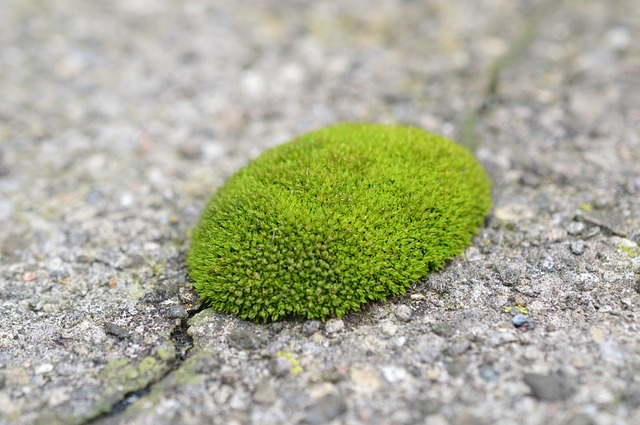
Moss growing on path

SHORT ANSWER: Moss requires moist conditions to grow, so it tends to flourish in autumn and winter, then die back during the summer.

Moss isn't especially harmful, but it can be quite unsightly - particularly when it takes hold of your otherwise pristine lawn or your once-picturesque patio.

More...

Caerphilly Castle in South Wales

South Wales is one of the UK's worst-affected areas for Japanese knotweed growth.

That's according to an article published in YourMoney.com, which names South Wales alongside the likes of Bolton, Bristol and London.

These are apparently the places where this invasive species is at its most prolific.

Our Japanese Knotweed Removal Service >


Which parts of South Wales have the most Japanese knotweed?

According to a Wales Online article originally published in July 2019, the locations in South Wales with most Japanese knotweed infestations were:

  • Llanelli
  • Caerphilly
  • Swansea

That said, it was Conwy - in North Wales - that topped the Wales Online list in 2019, with a jaw-dropping 395 cases within a radius of just 4 kilometres.


What should I do if I find Japanese knotweed on my property?

First of all, make sure it actually is Japanese knotweed. There are several similar-looking plants that may be mistaken for knotweed at a glance - visit our Japanese Knotweed Identification page for advice.

If you do have Japanese knotweed on your property, WE STRONGLY RECOMMEND SEEKING EXPERT ADVICE instead of attempting to get rid of it on your own. Japanese knotweed has a 'rhizome' root system, and a tiny fragment of one root can turn into a whole new plant. (This should give you a pretty good idea how the plant became such a widespread problem in this country.)

Read More: How Do You Get Rid of Japanese Knotweed?

If you are worried about Japanese knotweed, please feel free to get in touch with Total Weed Control and request a FREE knotweed survey.

Photo from Pixabay

How to dispose of Japanese knotweed

Japanese knotweed is a highly invasive plant that grows quickly and can cause significant damage to buildings, roads, and other types of infrastructure that stand in its way.

If you've discovered Japanese knotweed on your property, you're probably eager to get rid of it as soon as possible - but don't be too hasty!

It's extremely important to take care when disposing of Japanese knotweed. Under UK law, those who help the plant to spread - even accidentally - may face:

  • Up to 2 years in prison
  • Or a fine of up to £5,000

How to Dispose of Japanese Knotweed (Without It Spreading!) 

Japanese knotweed didn't become such a widespread problem in this country by pure coincidence. The plant's rhizome root system allows it to spread from one location to another with frightening ease - a single small root fragment can quickly grow into a whole new plant!

This is why you simply can't be too careful when disposing of Japanese knotweed. Failure to follow the law can end up fostering further knotweed growth, and frankly, this species is doing just fine for itself without any extra assistance from us. 

Japanese knotweed can't be thrown onto the compost (unless you seal it away to rot for at least 6 months before hand), and you can't take it to the tip. So, how can you dispose of Japanese knotweed safely? 

What’s the Right Way to Dispose of Japanese Knotweed?

While it's not illegal to dispose of Japanese knotweed yourself (as long as you know exactly what you're doing), it's usually preferable to hire a contractor who knows how to dispose of Japanese knotweed properly.

Broadly speaking, there are two ways to deal with Japanese knotweed, both of which are generally better left to the experts:

  1. Excavation - The Japanese knotweed is dug up using heavy earth-moving machinery, then transported to a specialist landfill site with the relevant environmental permit (taking care at all times not let any contaminated soil or plant matter find its way into the wild).

  2. Herbicide - Over a number of months, the Japanese knotweed is repeatedly sprayed with herbicide to control the plant's growth.

Although there are certain situations where option 1 may be preferable (e.g. if there is a tight deadline for clearing the site of Japanese knotweed), herbicide application is by far the cheaper option and is usually sufficient to prevent Japanese knotweed from causing any long-term problems.

Japanese Knotweed Removal Services From Total Weed Control

When it comes to Japanese knotweed, it’s best to ensure that it is removed properly first time around. This is the best way to ensure that Japanese knotweed doesn’t become a recurring issue, or you don’t accidentally get fined for it spreading. Total Weed Control specialises in herbicide-based Japanese knotweed control, and we offer this service throughout South Wales, the South West and beyond.

We are registered with the Property Care Association, and our reports are approved by the RICS (Royal Institute for Chartered Surveyors), so you can rely on us to handle your Japanese knotweed problem in accordance with all applicable laws and regulations.

Property Care Associations

FREE Japanese Knotweed Survey >


Last updated 5th July 2022

Contact Taylor Weed Control

Name *
E-mail address *
Location *
Telephone Number *
Your Message
 
Security Character Security Character Security Character Security Character Security Character Security Character
Enter Letters (No Spaces) *
Security Character Security Character Security Character Security Character Security Character Security Character