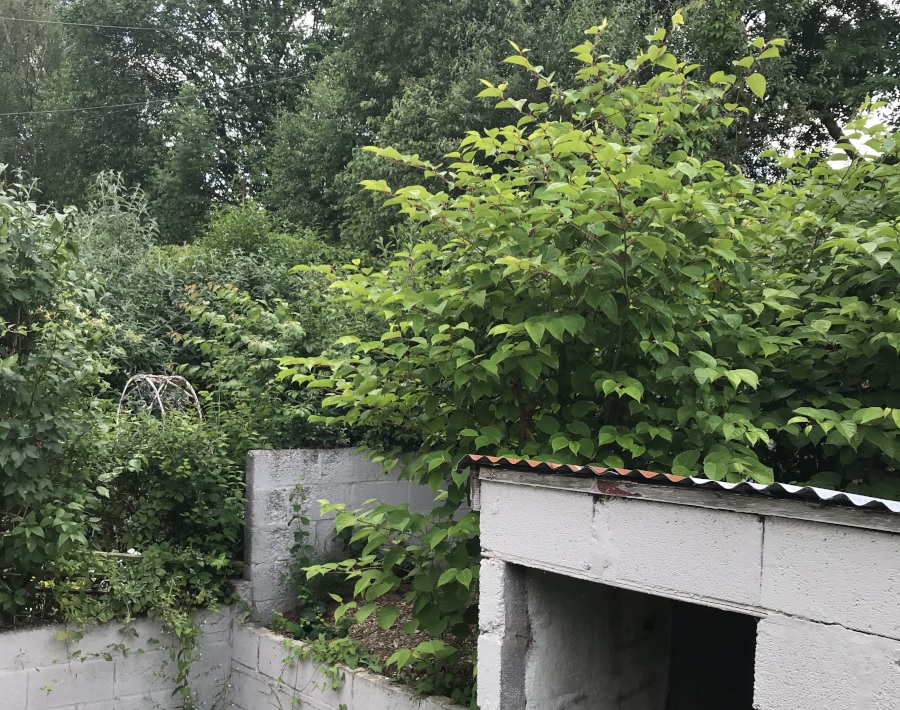
UK news outlets publish a lot of stories about Japanese knotweed and the devastating impact it can have on house prices. If you're a homeowner, these articles may well cause you to worry - is it possible that Japanese knotweed could be growing near your property?
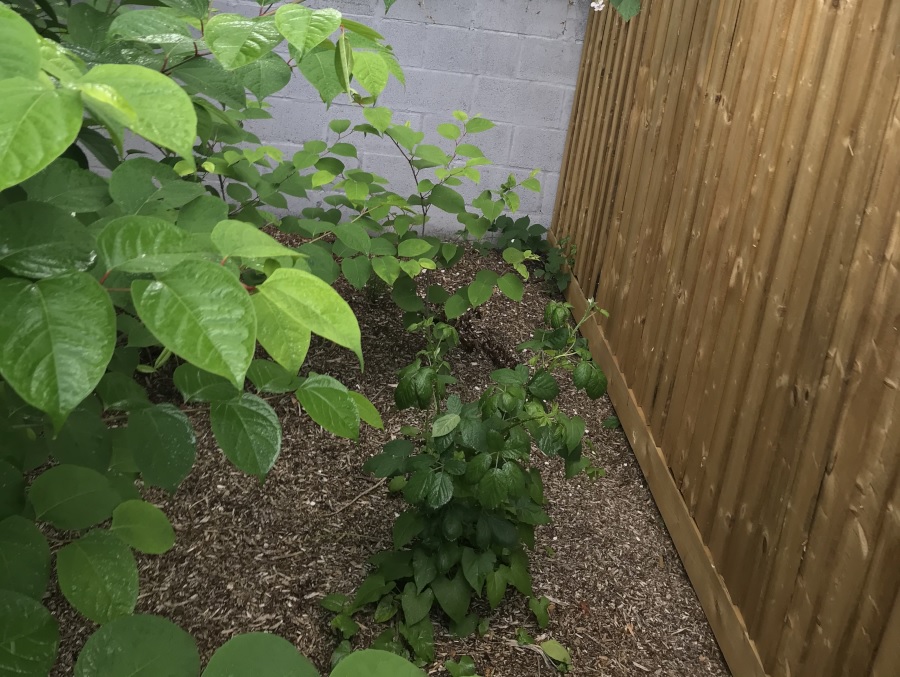
Japanese knotweed is an invasive plant that has caused a lot of trouble in the UK. Live cases have risen by almost 28% in the past five years, and it's been estimated that Japanese knotweed robs the British economy of £41 million each year.
If you find Japanese knotweed growing on your property, it's important to get it under control ASAP - leaving it to grow unchecked can reduce the value of your home, and you may even find yourself on the wrong side of the law if you permit the plant to spread into the wild.
So when it comes to dealing with Reynoutria japonica, time is of the essence. That being said, you shouldn't try to tackle this plant yourself unless you know exactly what you're doing; Japanese knotweed is a tricky customer, and most amateur attempts to eradicate the plant just end up spreading it further.
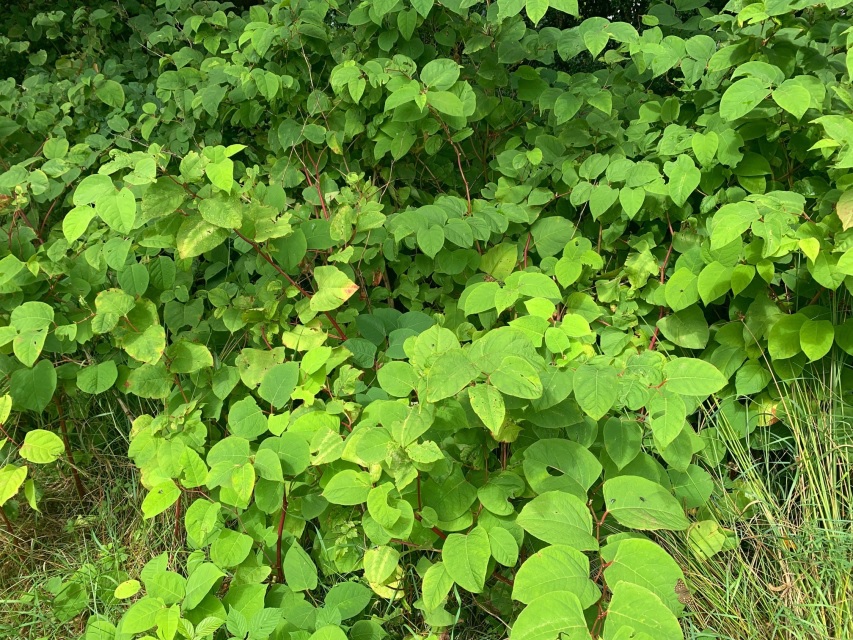
Earlier this year, as thousands were rushing to finalise their property transactions before the end of the stamp duty holiday, several property experts warned people to "be honest" about Japanese knotweed when selling their homes.
Good advice - but it seems that many sellers weren't listening. Property industry magazine The Negotiator reports that Japanese knotweed misrepresentation cases have increased by 25% in the past year, and this rise is apparently "due in part to buyers and sellers rushing transactions to win stamp duty holiday savings".
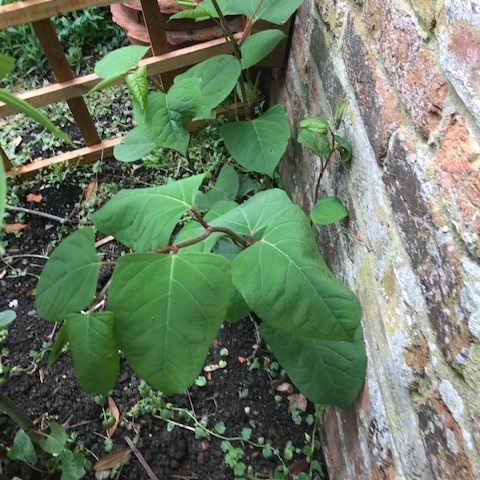
As winter approaches, Japanese knotweed (Reynoutria japonica) enters the dormant phase of its annual growth cycle. During this period, the clusters of cream-coloured flowers will disappear and the bamboo-like canes will die away, but don't be fooled - the plant itself lives on beneath the soil.
If you've done your research, you may be aware that Japanese knotweed rhizomes can stay in the ground for a long time, dormant but not dead. This can lead to some real headaches when attempting to buy or sell a property that was affected by knotweed in the past; the plant may no longer be visible above ground, but it's difficult to know for sure that it will never reappear.
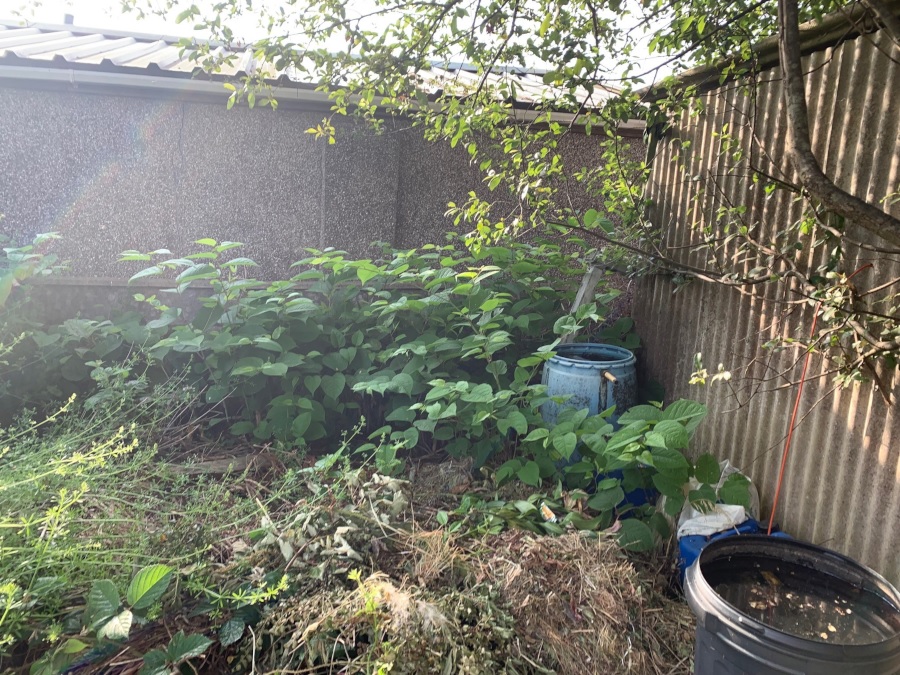
Japanese knotweed is a big problem in this country. Confirmed cases have increased by approximately 28% in the past five years, and it's been estimated that knotweed costs the UK somewhere in the region of £41 million each year.

 Is It Japanese Knotweed?
