
Warmer temperatures are here again, and while it's nice to be able to go outside and enjoy the sunshine for a change, the pleasant weather unfortunately also means that we can expect a boom in Japanese knotweed growth any day now.
The Property Care Association (PCA) are already warning that Japanese knotweed is ready to "take off", so it's important to be vigilant and keep your eyes peeled for the tell-tale signs of a knotweed infestation.
How to Identify Japanese Knotweed >
Unfortunately, there are people out there seeking to take advantage of the problems that Japanese knotweed can cause. We have heard numerous reports of companies knocking on doors and encouraging people to sue their neighbours for allowing knotweed to encroach on their property.

Chancellor Rishi Sunak today confirmed that the stamp duty holiday for home buyers in England and Northern Ireland - previously slated to end on 31 March - will be extended for another three months.
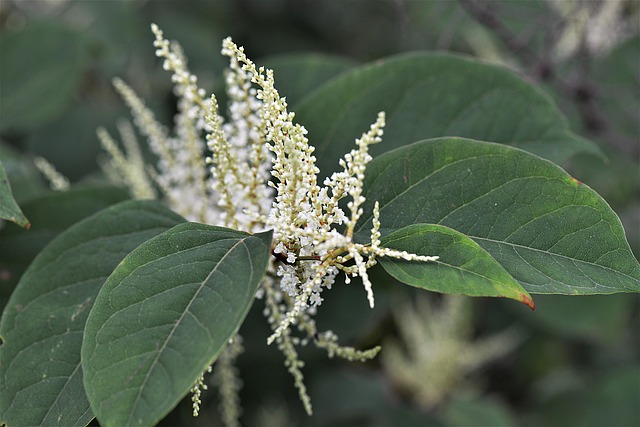
Japanese knotweed frequently causes house sales to fall through. This problematic plant tends to make mortgage providers very nervous indeed, and it's common for lenders to pull out when a surveyor discovers Reynoutria japonica within (or near) the property's boundaries.
Can I Get a Mortgage on a Property with Japanese Knotweed?
A customer of ours in Caerphilly recently experienced this first hand. Paul Flynn thought he had found a buyer for his property, but his good mood was spoiled when the other party's surveyor reported that there was Japanese knotweed within a few metres of the house. The lender warned that, unless Mr Flynn sought a comprehensive treatment plan (complete with an insurance-backed guarantee), the transaction would not go ahead.

Time is running out for buyers in England and Northern Ireland to complete their purchases before the stamp duty holiday ends on 31 March 2021. Any deals concluded after that deadline will be subject to the lower threshold for Stamp Duty Land Tax; at present, buyers only pay SDLT on properties worth £500,000 or more, but at the end of March, the tax will apply to residential properties worth £125,000 or more.

We've all heard of people who talk to their plants because they believe it will help them to grow, but now - thanks to a group of scientists in the USA - the plants may be able to talk back.
Engineers at the Massachusetts Institute of Technology (MIT) have created a system that uses spinach plants to detect explosive materials such as landmines. When these nanotechnology-enhanced plants notice a specific compound in the groundwater, the carbon nanotubes in the spinach leaves transmit a signal that is picked up by an infrared camera, which in turn sends an email alert to the scientists.

 Is It Japanese Knotweed?
