
 Is It Japanese Knotweed?
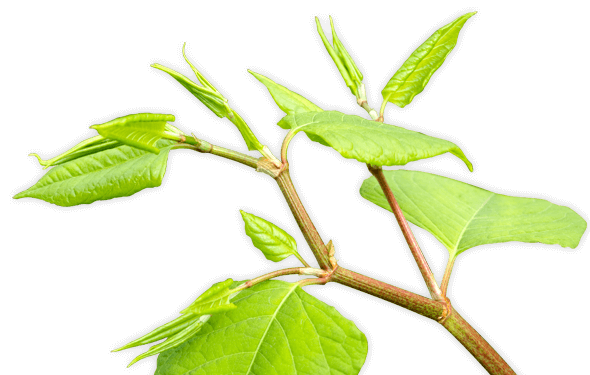
Japanese knotweed has crown and rhizome, from which the roots develop, but it is the rhizome that you will see and it is from rhizome fragments that Japanese knotweed most commonly spreads.
Rhizomes - sometimes known as creeping rootstalks – are like plant stems that run horizontally through the soil. Roots and shoots grow out of the rhizome's nodes to seek nourishment as the plant grows.
Let's answer some common questions about Japanese knotweed and its root system.
What’s the difference between roots and rhizomes?
While the terms ‘root’ and ‘rhizome’ are frequently used interchangeably, they’re actually two very different things! The most notable difference between rhizomes and roots is that rhizomes have nodes, which allow for asexual reproduction by vegetative propagation. Knotweed roots grow out of the rhizome nodes up to the stems that form the plant. Over many years of growth, these rhizomes can form large dense crowns.
What does Japanese knotweed rhizome look like?
You can identify knotweed rhizome by the bright orange shade on the inside and the darker brown colour on the outside. See How to Identify Japanese Knotweed for more information.
Can Japanese knotweed grow back?
Yes. This is one of the most frustrating things about Japanese knotweed's rhizome root system: due to its asexual reproduction, if even a tiny fragment of rhizome is left in the soil, it can grow into a whole new knotweed plant. That's why you have to be extremely careful when removing Japanese knotweed.
Don't take any risks with your Japanese knotweed problem - leave it to the professionals! Contact Total Weed Control now to arrange a professional Japanese knotweed survey – we've been clearing this invasive species for many years, so you can rely on us to do a thorough job and adhere to all applicable regulations.
