
Japanese knotweed causes a lot of problems here in the UK. It grows very quickly, it's difficult to get rid of, and it can cause structural damage by growing through small cracks in buildings. Properties with Japanese knotweed are difficult to sell, and worst of all, if you allow this invasive species to spread, you can be fined or sent to prison.
Still, if Japanese knotweed is capable of making life so difficult for us Brits, just think of how much chaos the plant must cause back home in its native Japan! Right?
Well, actually, no - Japanese knotweed isn't a big problem in Japan at all. Over there, it's just another plant.
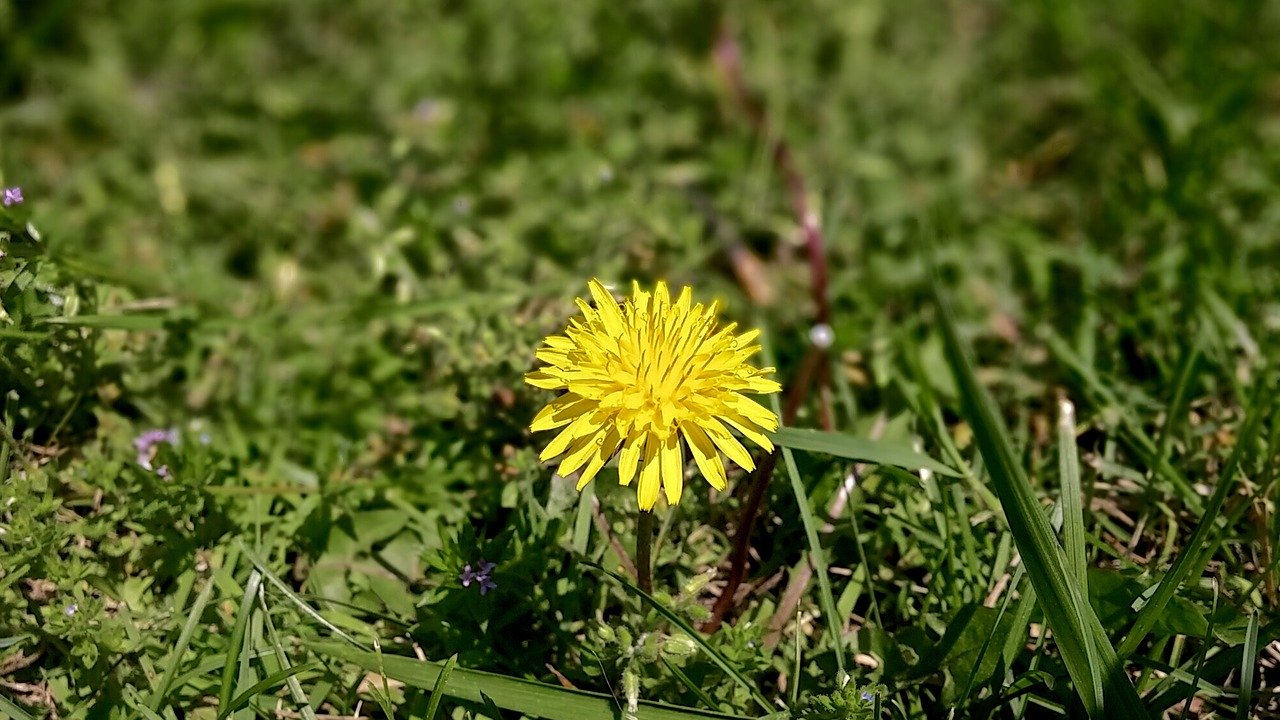
So your lawn is looking a little crowded these days. Dandelions, hairy bittercress and a selection of other common lawn weeds have made your garden their home, and your lovely green grass must now compete with all sorts of other plants for water and essential nutrients.
Clearly, some anti-weed measures are in order. But how do you kill those pesky weeds without killing your grass too?
COVID-19 (coronavirus) remains the UK's public enemy number one, and while lockdown measures have started to relax in England, they're still in full effect here in Wales. The Welsh government are currently advising people to:
- Stay at home
- Go out for food, work and health reasons only
- Work from home if possible
- Stay 2 metres from other people
- Wash your hands immediately when you get home
If you have a garden, it's probably getting a lot of use right now - after all, spring is in the air, and if you want to enjoy the longer days and get a bit of fresh air, your own back garden is the safest place to do so!
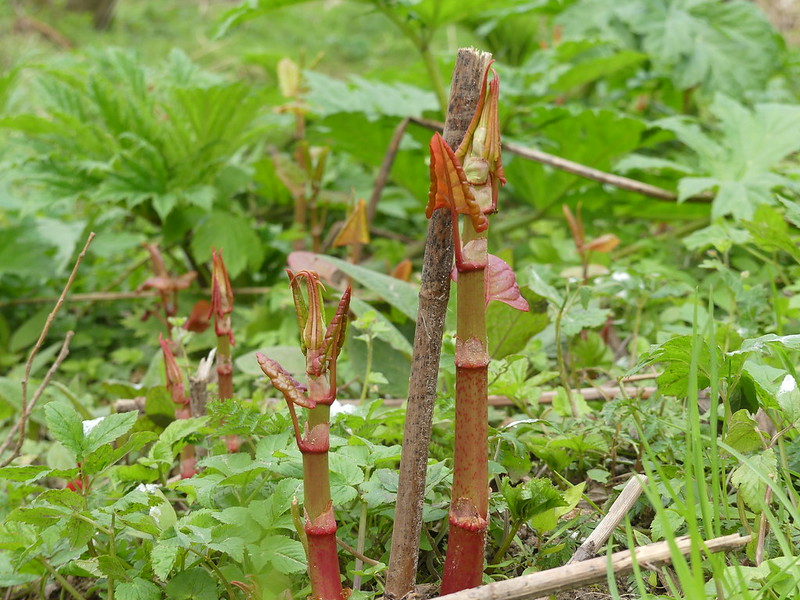
But what if, while you're soaking up the sunshine, you spot Japanese knotweed shoots emerging from your soil?
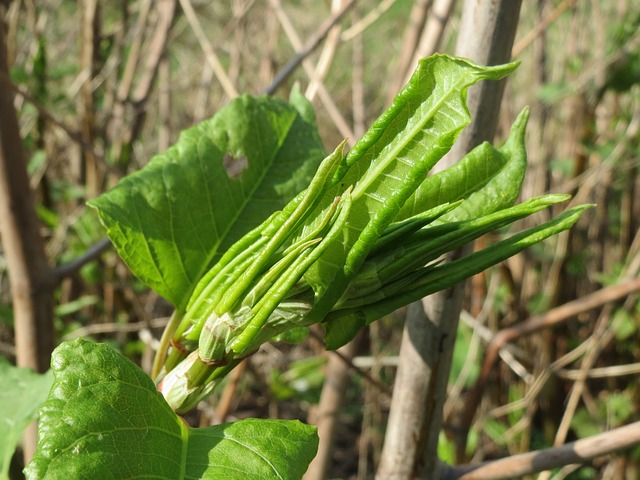
Japanese knotweed has a reputation for rapid growth, but this invasive plant's growth rate does peak and trough over the course of a year.
The growing cycle can vary somewhat depending on what the weather's doing, but there is a reasonably consistent annual pattern. Here's a rough timeline of Japanese knotweed's growing behaviour from one season to the next.
For reasons discussed in our DIY Japanese Knotweed Removal blog post, we DO NOT RECOMMEND attempting to get rid of Japanese knotweed on your own. Instead, get in touch with a specialist contractor who knows how to deal with this invasive species and ensure that it does not spread elsewhere.
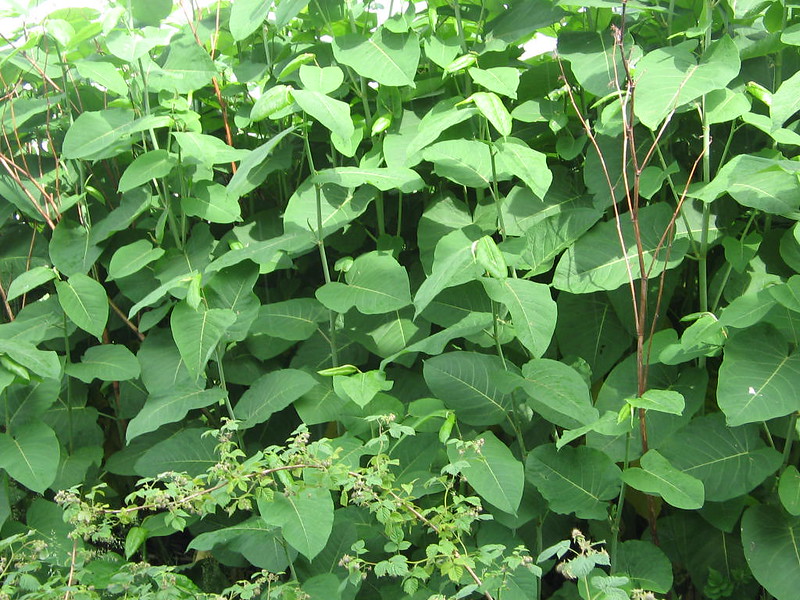
Photo by dankogreen (Flickr)
If you're found your way to this blog, you're likely wondering how to kill Japanese knotweed. Broadly speaking, there are two ways to kill Japanese knotweed:
- Herbicides - spraying the plant with glyphosate weed killer
- Excavation - digging the plant up and either burying it or safely disposing of it at an approved landfill site

 Is It Japanese Knotweed?
