One thing that all lawn care enthusiasts and homeowners can agree on is that weeds are a nuisance, especially the invasive and problematic type. However, not all weeds respond to dangerous chemical the same way. Many weeds are in fact resistant to herbicides and respond much better to different methods of control.
By understanding and utilising these different methods, you will be in the best possible position to eradicate all and any weeds that may start to crop up in and around your lawn.
So, let's take a look at the different weed control methods that you can start using.

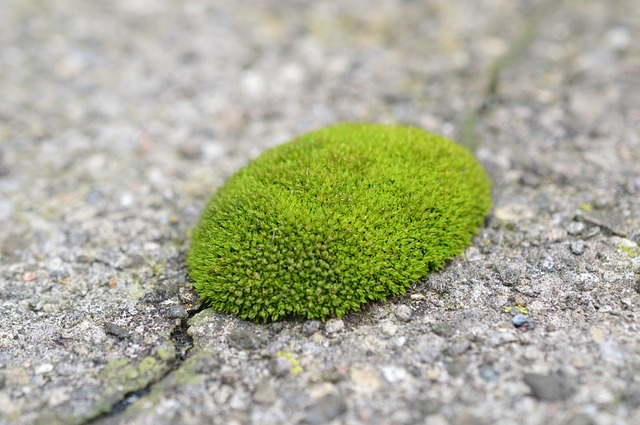
SHORT ANSWER: Moss requires moist conditions to grow, so it tends to flourish in autumn and winter, then die back during the summer.
Moss isn't especially harmful, but it can be quite unsightly - particularly when it takes hold of your otherwise pristine lawn or your once-picturesque patio.

It is agreed amongst professionals and experts that the invasive plant Japanese knotweed can cause problems to homes and properties as a result of its ability to grow and spread at an alarming rate. But can Japanese knotweed cause subsidence? Total Weed Control is here to help you find out!
Before we can look into whether knotweed can cause subsidence, we must first try to understand what subsidence means. According to the Cambridge Dictionary, the term subsidence means 'the process by which land or buildings sink to a lower level'. Therefore, the understanding is whether Japanese knotweed possesses the ability to cause lands or buildings to sink, leading to extreme structural damage.
Many varying opinions exist on this topic, with some arguing that knotweed does cause subsidence and some arguing that it doesn't. We're here to offer our professional opinion on the matter to try and answer the questions as best we can as well as letting you know how Total Weed Control can help if you've spotted knotweed on or near your property and are worried about the potential damage it can cause.
You probably already know that Japanese knotweed is a big problem here in the UK. But can this invasive plant species be found all over Great Britain, or is its growth concentrated in specific areas?
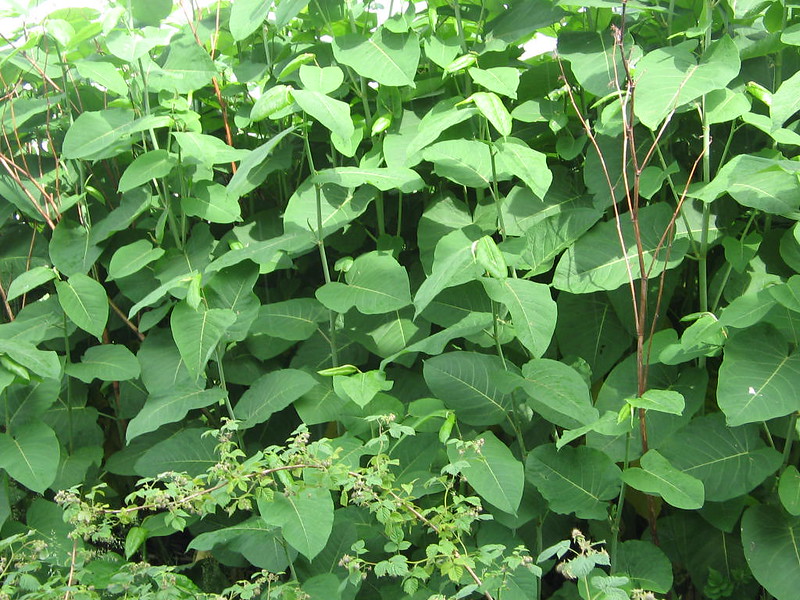
Photo by dankogreen (Flickr)
According to gardenorganic.org.uk, Japanese knotweed was initially "most prevalent in South Wales, perhaps due to the moist climate, but it is now widespread throughout the UK". As we mentioned in a previous blog post, South Wales is still - to this day - one of the UK's key Japanese knotweed hotspots, alongside cities like London and Bristol.
Japanese Knotweed Removal in South Wales >>
The term "invasive species" may not sound very threatening, but these invaders, both large and small, can and do have devastating effects on wildlife and communities across the world.
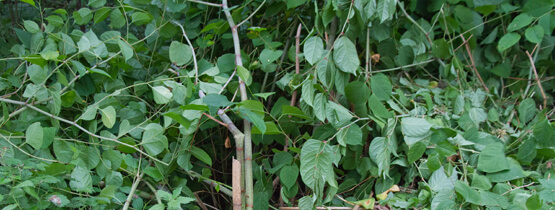
Invasive species are one of the most threatening problems to native wildlife, with approximately 42% of endangered species at risk as a result of invasive species. Endangered species aren't the only things that are at risk due to invasive species, however, with economies and human health also susceptible to feel the effects. The impact that invasive species have on our natural ecosystems and economy cost billions each and every year, with many of our recreational, agricultural and commercial activities heavily reliant on healthy native ecosystems.

 Is It Japanese Knotweed?
