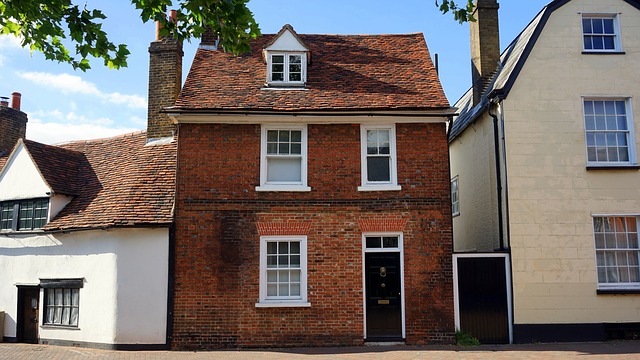
Moving into a new home should be a happy experience. You're starting a fresh chapter and (hopefully) moving a step higher on the property ladder. But if you've unknowingly bought a house that's affected by Japanese knotweed, your joy may be rather short-lived.

Since its introduction to the UK way back in 1854, Japanese knotweed has caused a tremendous amount of damage to lands, buildings and ecosystems up and down the country. Its invasive nature means it has the ability to spread and grow anywhere, even through concrete and brickwork, making it a nightmare for homeowners throughout the UK.
So, you had a tree on your property that you decided to get cut down for whatever reason, maybe it was too close to your home or maybe it had become diseased and became a risk to you and your family's safety. Whatever the reason may be, the tree is no more and now you are left with an unsightly stump and its roots that you have to deal with but what are your options?
We're here to help you find out!
Stump Removal
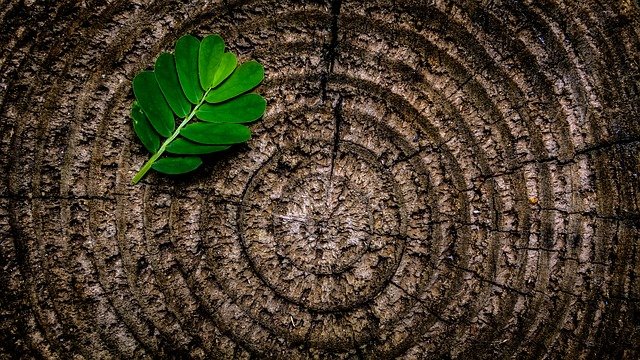
Well, when it comes to tree stump removal, you have two choices. The first is to get it 'removed', which involves heavy machinery (usually a Bobcat) and a whole lot of mess if the tree's roots have spread right across your property. Here, the tree stump along with all of its roots are dug out of the ground a taken away. The second and most recommended option is 'grinding', which is much more manageable and involves using a grinder to shave the stump until it is completely gone. Unlike removal, tree stump grinding only focuses on the stump itself and leaves the roots where they are.
Throughout history, invasive plant and animal species that have been introduced to certain locations around the world have caused both micro and macro ecosystems to crumble. Without any natural predators, these new species are often left to cause irreversible damage that results in entire habitats being completely destroyed as well as communities being hampered with costly damage.
For those of you who don't know, an invasive species can be any kind of living organisms such as fish, insect, amphibian, fungus or plant that is introduced to an ecosystem that they are not part of and proceed to cause harm and/or damage to the surrounding environment, economy or human health. Species can also be classed as invasive if they grow and reproduce at a fast rate, spread aggressively and carry the threat of causing harm.
Some people may look at Japanese knotweed as a beautiful, ornamental plant. After all, that's one of the reasons it was brought to the country in the first place! Planting Japanese knotweed on your property is forbidden for a number of reasons. However, when you realise how damaging Japanese knotweed can be, you'll probably wish you never considered planting it anyway.
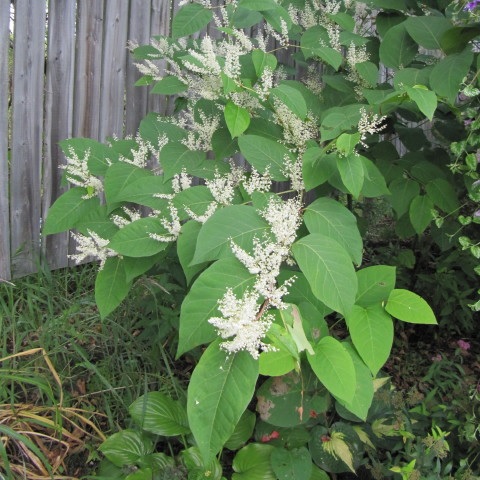
Photo by Leonora Enking (View Original)
You'll remember from our blog - What Damage Can Japanese Knotweed Do? - that Japanese knotweed can make it difficult to sell your home, can cause structural damage to buildings and roads and can even disrupt cables and block drains. This plant is likely to cause you a great deal of hassle, so why you'd want to plant it is a mystery!

 Is It Japanese Knotweed?
