Japanese knotweed is an invasive species that’s well known for its fast growth and its ability to reach heights over 6 ft tall – but what does it look like when its still growing?
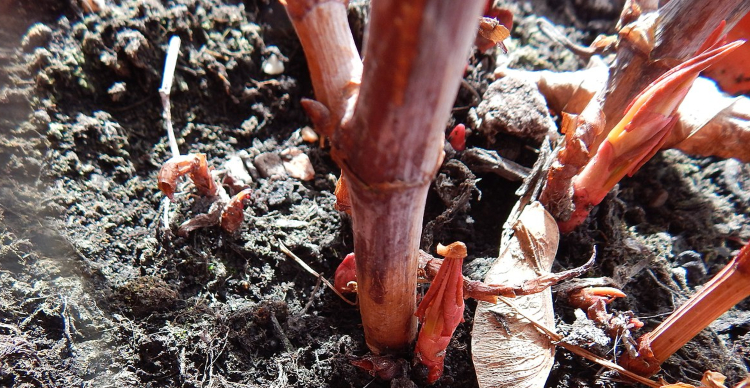
This photo by Crouch, Swale is licensed under CC BY-SA 4.0
Many people can easily identify a fully grown knotweed plant by its distinctive large, heart shaped leaves and bamboo-like canes, but if you’ve found your way to this blog, you’re likely looking for advice on how to identify Japanese knotweed when it first appears.
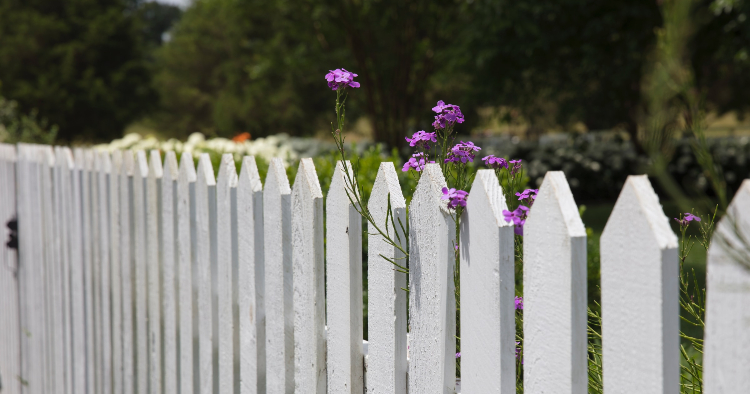
If you’ve found yourself with a Japanese knotweed presence on your property, it can be difficult to know how to proceed.
One of the most common questions we receive here at Total Weed Control is ‘do I have to tell my neighbours that there’s knotweed on my property?’
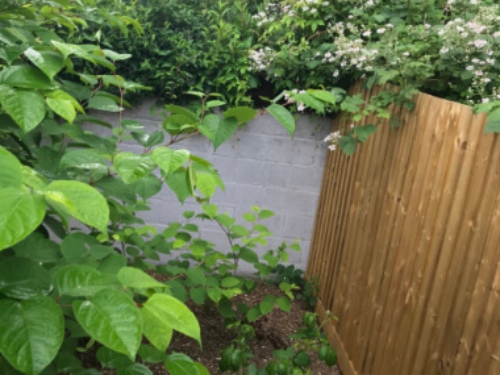
A new study from Swansea University has been released which assesses the impacts and economic costs of different Japanese knotweed management and treatment methods. The study was lead by biosciences lecturer, Dr Sophie Hocking, who believes that 'invasive species management and sustainability have never been so important'.
So, what did the study reveal about Japanese knotweed treatment and its effects on the environment?
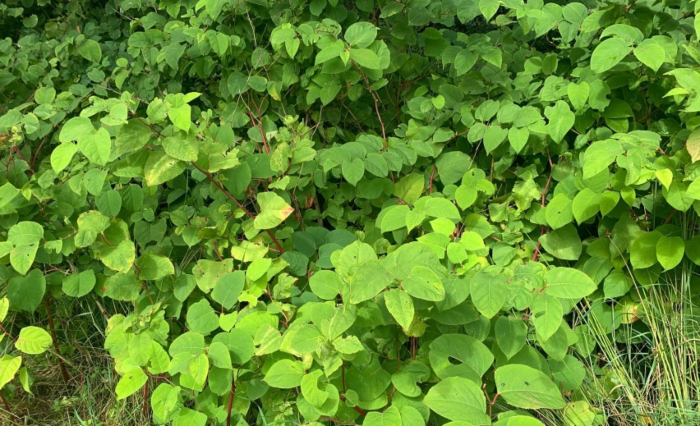
Japanese knotweed is an extremely invasive species of plant that affects many gardens and outdoor spaces across the UK. If you live in one of the 4% of homes affected by Japanese knotweed, then you're probably wondering what you can do to tackle this stubborn weed.
Many Japanese knotweed victims consider planting other species of fast-spreading plants in their outdoor space to outcompete Japanese knotweed for light and nutrients in the hope that it will suppress the Japanese knotweed's growth. Unfortunately, whilst this can temporarily reduce the Japanese knotweed's growth, this is not an effective long-term solution.
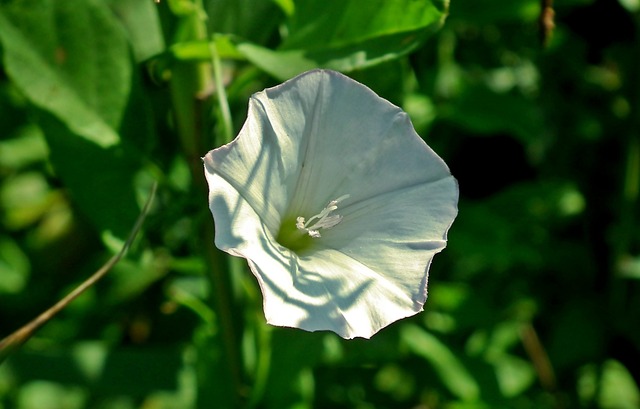
Bindweed is a type of plant that contains poisonous alkaloids. This means it's a real problem for other plants because it's capable of outgrowing them and taking all the sunlight, nutrients, and water for itself. But is it a threat to humans or animals? Today we're going to learn all about bindweed and answer the question - is bindweed poisonous?

 Is It Japanese Knotweed?
