Outside of fictional works like The Day of the Triffids and Little Shop of Horrors, very few plants inspire as much dread as Japanese knotweed. This invasive weed has caused countless headaches for homeowners all over the UK, devaluing affected properties by 10 per cent on average.
And yet, as we've discussed before on this blog, Japanese knotweed is barely a problem at all in its native land. While the plant is still considered a weed in Japan, it does not have anything like the toxic reputation it has in this part of the world.
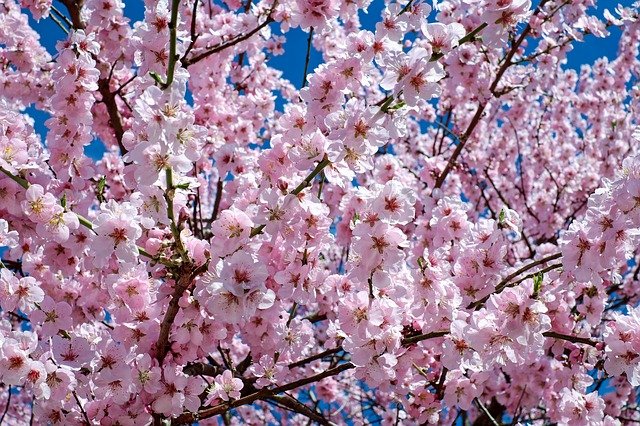
SHORT ANSWER: Japanese knotweed flowers are usually white, but dwarf Japanese knotweed - a related species - sometimes grows pink flowers. Additionally, there are several other pink-flowered plants that are commonly mistaken for Japanese knotweed.
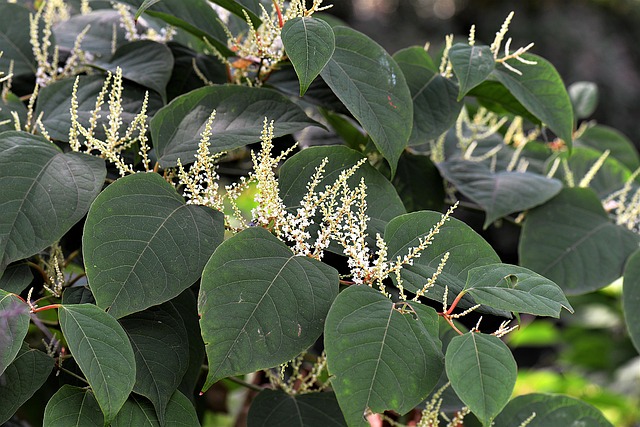
Japanese knotweed can be identified by a number of distinctive characteristics: the bamboo-like stems, the heart-shaped leaves, and the clusters of flowers that appear in late summer.
These flowers are quite small, and they're usually white or cream in colour.
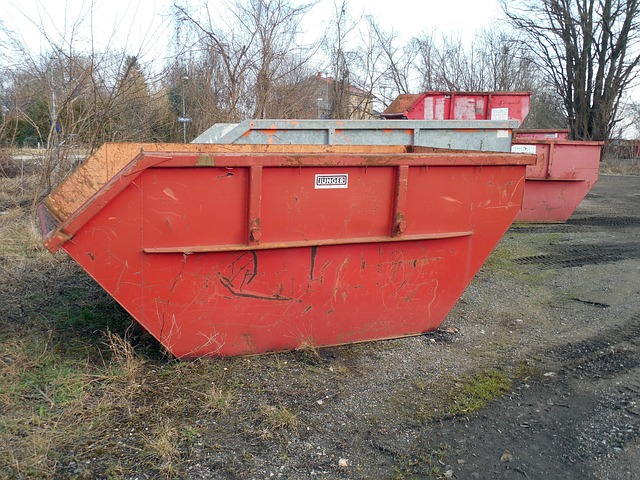
Disposing of Japanese knotweed is a delicate business. One must be extremely careful when handling this invasive weed - even a tiny fragment of its hardy rhizome root system can grow into a whole new plant if returned to the soil.
For this reason, there are a lot of rules about what you can and can't do with Japanese knotweed after digging it up. If you allow the plant to spread into the wild, you may be fined thousands of pounds or even imprisoned (see Japanese Knotweed Law).

Moving into a new home should be a happy experience. You're starting a fresh chapter and (hopefully) moving a step higher on the property ladder. But if you've unknowingly bought a house that's affected by Japanese knotweed, your joy may be rather short-lived.
Throughout history, invasive plant and animal species that have been introduced to certain locations around the world have caused both micro and macro ecosystems to crumble. Without any natural predators, these new species are often left to cause irreversible damage that results in entire habitats being completely destroyed as well as communities being hampered with costly damage.
For those of you who don't know, an invasive species can be any kind of living organisms such as fish, insect, amphibian, fungus or plant that is introduced to an ecosystem that they are not part of and proceed to cause harm and/or damage to the surrounding environment, economy or human health. Species can also be classed as invasive if they grow and reproduce at a fast rate, spread aggressively and carry the threat of causing harm.

 Is It Japanese Knotweed?
