Worried about Japanese knotweed? Book a site survey and we’ll send an invasive weed specialist to take a look.
Total Weed Control
call us today on 01639 710914

Tag: japanese-knotweed


what does japanese knotweed look like in spring

Japanese knotweed can cause a lot of problems on your property so it's important you can identify it all year round! Now that we're moving into spring, you'll probably notice a lot of different plants emerging in your garden, so it's important to keep your eye out for Japanese knotweed. Left untreated, Japanese knotweed can damage your property and can even prevent you from selling your home. 
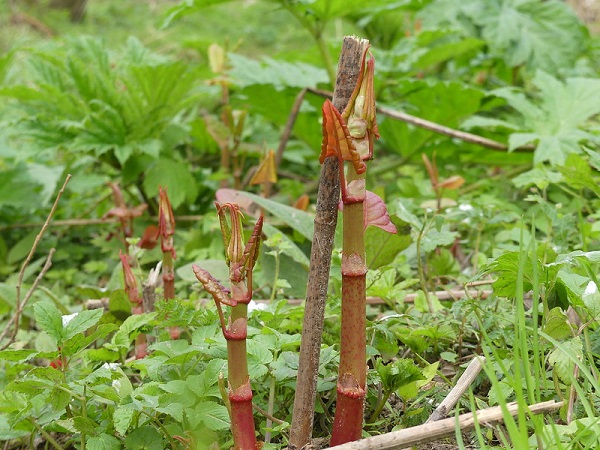
Image source: Scottish Invasive Species Initiative (Flickr)

Knowing what Japanese knotweed looks like in the spring can help you save money on treatment, repairs, and lawsuits! That's right, people have been known to sue their neighbors if Japanese knotweed has been allowed to invade their property, so spotting and treating it early is a must!

Read More: What to do if your neighbour has knotweed

Japanese knotweed appears in spring

Most people see Japanese knotweed appear in the garden for the first time during spring. Like all plants, Japanese knotweed grows new shoots that grow up through the soil when the weather starts to get warmer. 
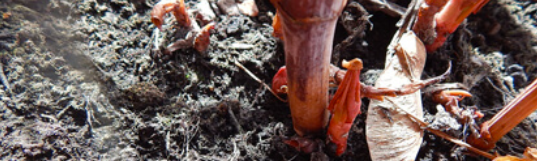
Initially, Japanese knotweed spears will appear. They're red/purple in colour and look very similar to asparagus, with a woody stem and a pointed tip. During spring, the leaves of the Japanese knotweed plant are curled up (they're still very young at this point). 

By the end of spring, these small canes can be up to 3 metres high! Japanese knotweed grows quickly, which is another reason why you should keep your eye out for it during spring. 

Japanese knotweed in summer

If by chance, you don't notice the Japanese knotweed in your garden in summer, you might have a chance to spot it in summer before it spreads too far!

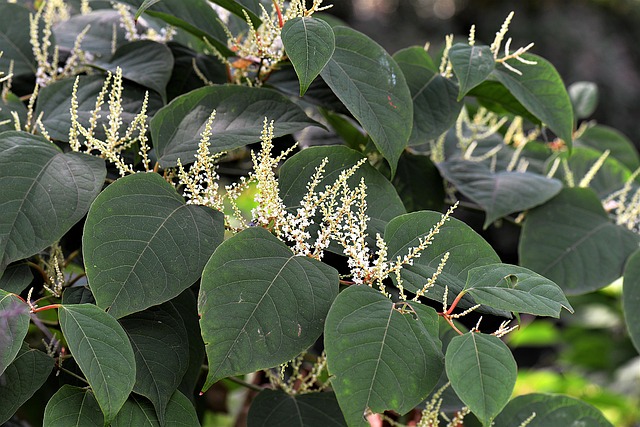
During summer, Japanese knotweed has a lot more foliage, it appears green and leafy with only a few speckles of red/purple left on the stem.

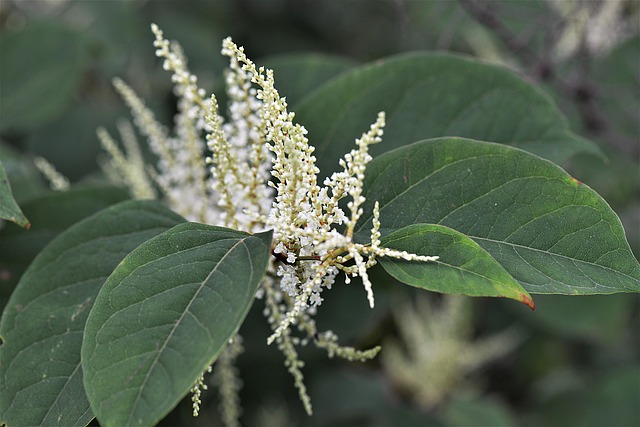
When Japanese knotweed eventually flowers, it has small creamy white flowers, which ironically, are quite pretty. Unfortunately, these little white flowers are a sign of an underlying problem that needs to be dealt with quickly. 

Head to our Japanese knotweed Identification page for more information!

Japanese Knotweed Identification >

Remember to check the plants in your garden regularly during spring and summer. If you spot anything that looks like Japanese knotweed, you should get it checked by Japanese knotweed specialists immediately. Contact us for a Japanese knotweed survey now!

Get In Touch >

Property tax

Chancellor Rishi Sunak today confirmed that the stamp duty holiday for home buyers in England and Northern Ireland - previously slated to end on 31 March - will be extended for another three months.

Japanese knotweed

First introduced to the UK in the 19th century, Japanese knotweed has become a widespread issue for many people across the country. Brought here from Asia as an ornamental plant and cattle fodder, knotweed was reported as a garden escape in the late 19th century which eventually naturalised populations in the early 20th century. Fast forward to the present day and knotweed can be found all over the UK, causing tremendous amounts of structural and environmental damage across many cities and towns.

So, where does Japanese knotweed grow and where are the areas that you're most likely to find it? Read on to find out!

how we're staying covid secure

Almost every workplace has had to make adjustments to continue trading during the COVID-19 pandemic, including us. As you know, we're still offering our wide range of Japanese knotweed and ground maintenance services so that you can keep your premises free of invasive weeds. In order to carry out our services safely, we've had to put a few new procedures in place. Here you can read all about them!

Testing Staff

All of the staff that we send out to work outside your homes are COVID-19 tested on a regular basis. This helps us to make sure they're not bringing the virus into our offices or to your doorstep. 

Observing Safety Guidelines

Much like the rest of the country, we constantly have one eye on the ever-changing government guidelines. This helps us to make sure that our practices and procedures are always up to date. We've made lots of different tweaks and changes to the way we work so that we can provide you with the safest possible services. All of our staff members are wearing masks when they're around people, sticking to social distancing guidelines, and keeping their hands, vans, and equipment clean.

Telephone/Email Arrangements

To limit our contact with you as much as possible, we're contacting a lot of our customers over the phone or via email to arrange their treatments. Our friendly team of staff is on hand to answer any questions you may have, rather than arranging face-to-face visits. 

Contact-Free Visits

One of the great things about Japanese knotweed treatments, grounds maintenance, and tree/shrub removal is that all of these services take place outside. This means we can attend your property and get the job done without even knocking on your door. Of course, we have missed catching up with you over a cup of tea, but we'll have plenty of time for that in the future when things go back to normal. For now, we'll do our bit to keep your garden looking its best while you put your feet up indoors.

Staff Separation

Another way that we're keeping you and our staff safe is by insisting that our staff travel to your homes in separate vehicles. Where this isn't possible, we've set up vans with safety screens, separating the front and back portions. Don't worry, we've kitted them up with walkie-talkies so they can still chat amongst each other on the longer journeys. Keeping our staff physically separated on journeys is just another way that we're implementing safe COVID-19 practices while we work.

So there you have it, a little insight into some of the different ways that we're working safely during lockdown. If you'd like us to treat Japanese knotweed, unwanted shrubs, or vegetation on your property, please get in touch!

Get in Touch Now >

Knotweed with white flowers

Japanese knotweed frequently causes house sales to fall through. This problematic plant tends to make mortgage providers very nervous indeed, and it's common for lenders to pull out when a surveyor discovers Reynoutria japonica within (or near) the property's boundaries.

Can I Get a Mortgage on a Property with Japanese Knotweed?

A customer of ours in Caerphilly recently experienced this first hand. Paul Flynn thought he had found a buyer for his property, but his good mood was spoiled when the other party's surveyor reported that there was Japanese knotweed within a few metres of the house. The lender warned that, unless Mr Flynn sought a comprehensive treatment plan (complete with an insurance-backed guarantee), the transaction would not go ahead.