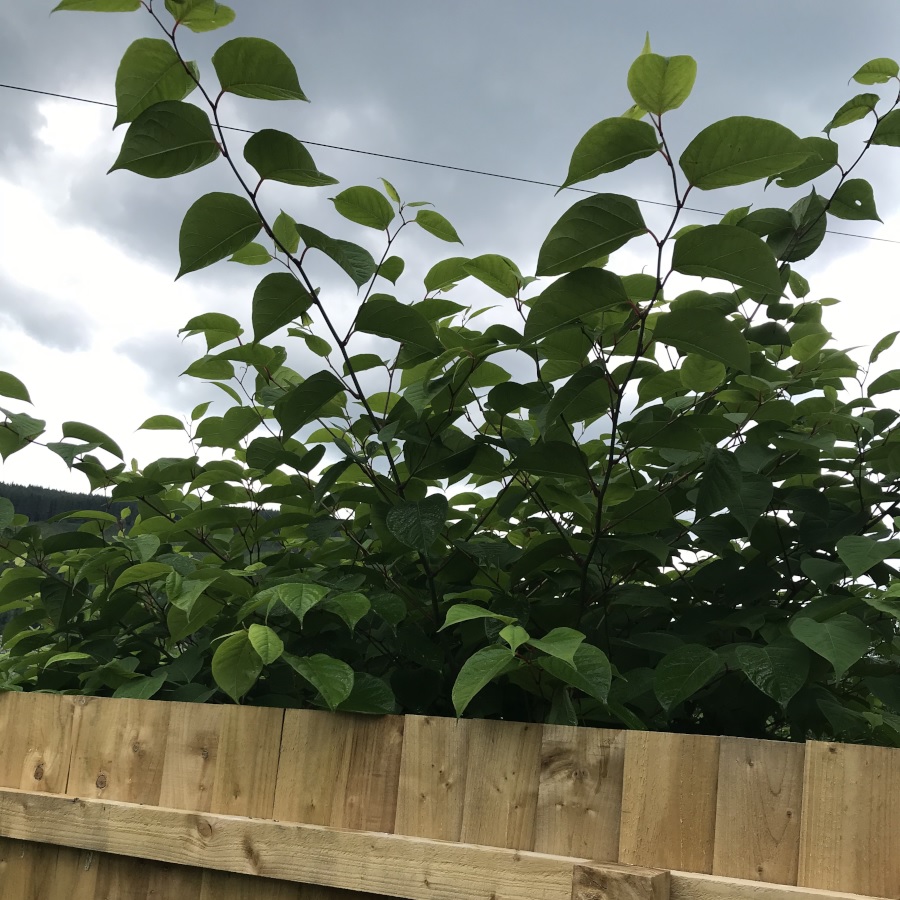
Have you noticed that more and more people are talking about Japanese knotweed lately? Well, there may be a good reason for the British public's growing interest in this invasive plant - the results of a recent study by Horticulture.co.uk suggest that the number of live Japanese knotweed cases in the UK has increased significantly in recent years.
The study states that confirmed UK cases have grown by 27.91% in the last five years, but that's just a national average - the increase is actually far higher than that in certain regions. South Yorkshire tops the list with a five-year increase of 77.19%, just ahead of Hampshire (+73.24%) and West Sussex (+72.22%).
And Japanese knotweed isn't just spreading fast in England. The top ten list also includes two Welsh regions: Powys (+61.93%) and Cardiff (+53.01%). There are currently hundreds of confirmed cases in both areas.
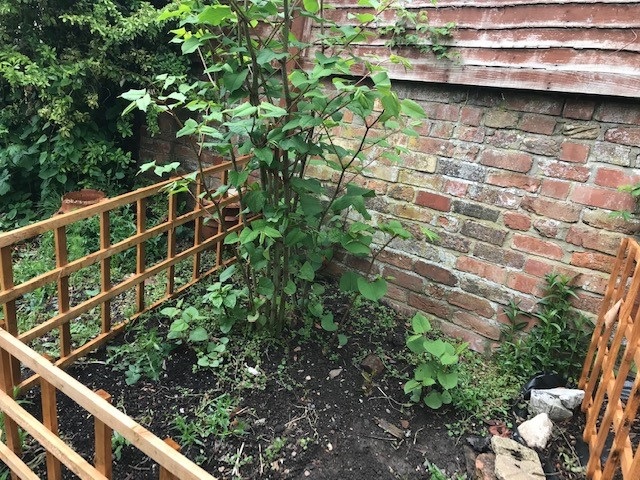
If you've been unlucky enough to find Japanese knotweed growing in your back garden, your first question may well be something along the lines of...
"How did THAT get there?!"
Unfortunately, Japanese knotweed has a knack for appearing as if from nowhere. This invasive plant is like a bad party guest - it usually shows up uninvited, and once it's made itself comfortable, it's very difficult to get rid of.
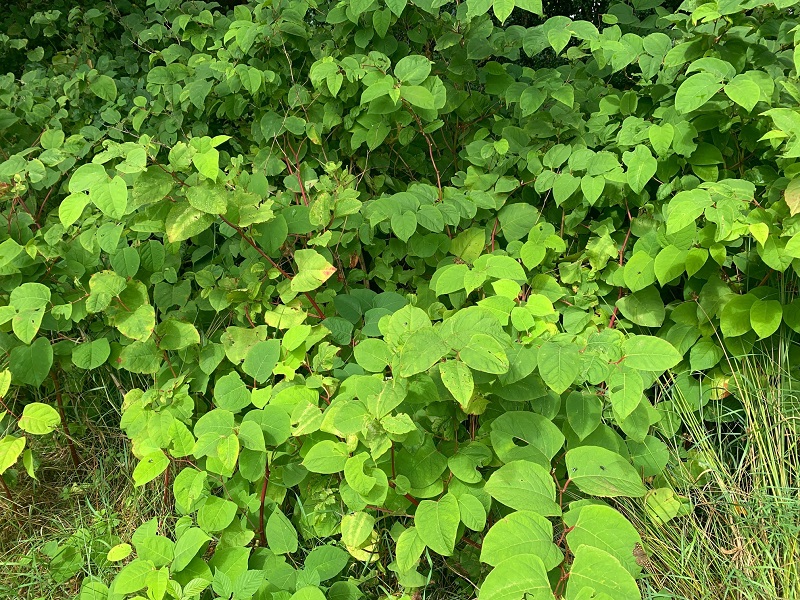
There's a lot of information online that could lead you to believe Japanese knotweed is some kind of 'super-plant' with incredible strength and an appetite for destruction, but this simply isn't the case. Japanese knotweed is similar to other plants in a lot of ways. It grows like other plants, looks like other plants and can be harmless if it's dealt with quickly.
So why do we worry about Japanese knotweed so much? Well, while Japanese knotweed is not a fearsome beast in its own right, it can certainly cause a lot of problems if it's left untreated. Let's take a look at some of the issues Japanese knotweed can cause in more detail to establish whether Japanese knotweed is as bad as they say it is...
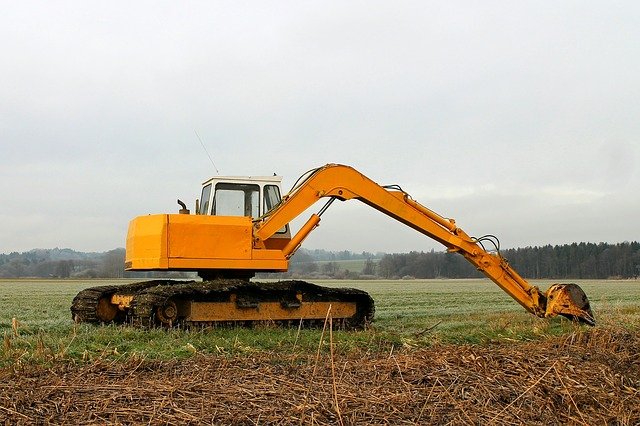
When it comes to getting rid of Japanese knotweed, there are a few different avenues you can explore. Here at Total Weed Control, we offer a range of different Japanese knotweed plans, including herbicide treatments and excavation. Lots of people come to us and ask whether there's a difference between Japanese knotweed control and Japanese knotweed removal, and the answer is yes!
In this blog, we're going to explain the difference between removal and control so that you can decide which method is right for you.

SHORT ANSWER: Most commercially-available herbicides are ineffective when used on Japanese knotweed. Appropriate herbicides are required to get this invasive plant properly under control.
Japanese knotweed can be dealt with in several different ways, but treating the plant with herbicide is the most-used method. Herbicide application is less disruptive than excavation (which involves digging the plant up and either disposing of it at an approved landfill site or burying it in a geotextile membrane), and it's far more cost-effective as well. In general, we only recommend excavation when time is limited, e.g. when Japanese knotweed needs to be cleared ASAP so that a property sale can be finalised or so that building work can go ahead. Many sites are not suitable for excavation at all.

 Is It Japanese Knotweed?
