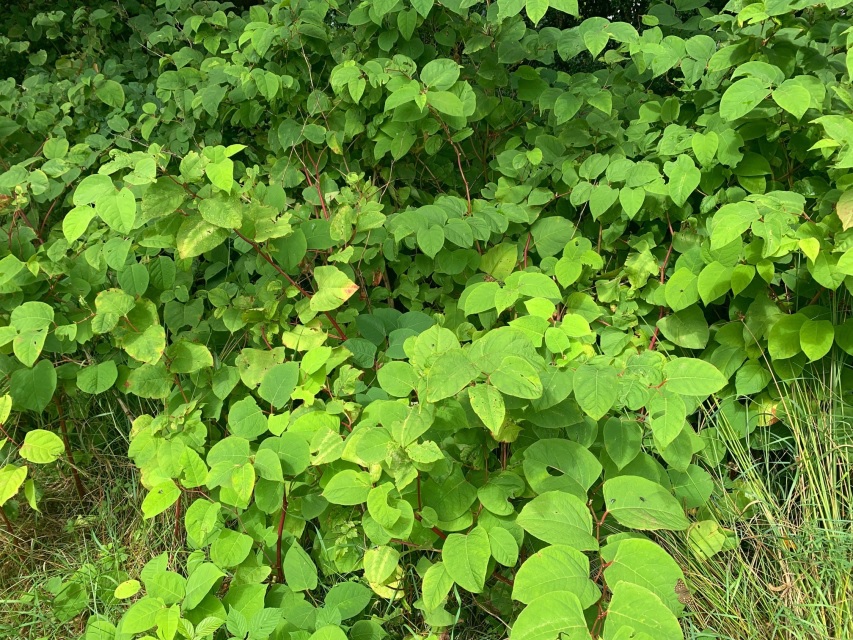
Earlier this year, as thousands were rushing to finalise their property transactions before the end of the stamp duty holiday, several property experts warned people to "be honest" about Japanese knotweed when selling their homes.
Good advice - but it seems that many sellers weren't listening. Property industry magazine The Negotiator reports that Japanese knotweed misrepresentation cases have increased by 25% in the past year, and this rise is apparently "due in part to buyers and sellers rushing transactions to win stamp duty holiday savings".
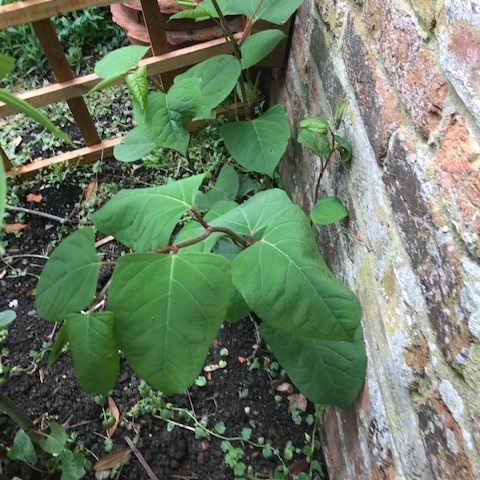
As winter approaches, Japanese knotweed (Reynoutria japonica) enters the dormant phase of its annual growth cycle. During this period, the clusters of cream-coloured flowers will disappear and the bamboo-like canes will die away, but don't be fooled - the plant itself lives on beneath the soil.
If you've done your research, you may be aware that Japanese knotweed rhizomes can stay in the ground for a long time, dormant but not dead. This can lead to some real headaches when attempting to buy or sell a property that was affected by knotweed in the past; the plant may no longer be visible above ground, but it's difficult to know for sure that it will never reappear.
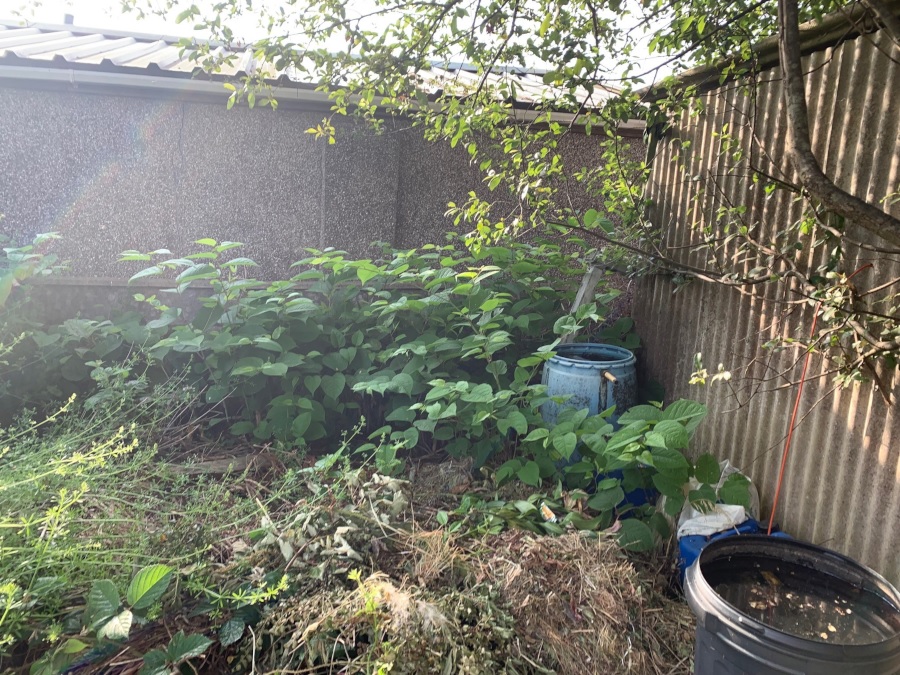
Japanese knotweed is a big problem in this country. Confirmed cases have increased by approximately 28% in the past five years, and it's been estimated that knotweed costs the UK somewhere in the region of £41 million each year.

If you're looking at purchasing your own property, Japanese knotweed might be a concern - and rightly so. Japanese knotweed is an invasive species that can cause a whole host of problems with neighbours and with your new property. Sadly, few people know what Japanese knotweed looks like or how to identify it, and even if they do, it might go unnoticed when you're viewing potential properties. In this blog, we'll explore the duty of care that estate agents have when it comes to Japanese knotweed.
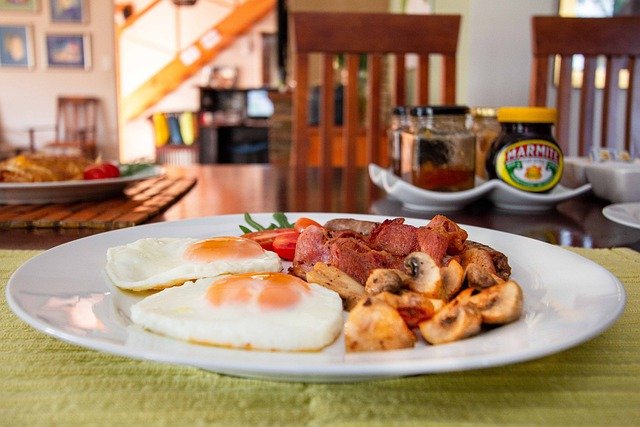
A full English breakfast is a thing of beauty, but eating lots of processed meats can increase our risk of developing cancer. Researchers are constantly on the hunt for ways to reduce the risks of processed meat, and have recently had a breakthrough with a Japanese knotweed extract! So, could Japanese knotweed (a plant we've all come to fear) be the secret to enjoying a fry up without fear?

 Is It Japanese Knotweed?
