
Time is running out for buyers in England and Northern Ireland to complete their purchases before the stamp duty holiday ends on 31 March 2021. Any deals concluded after that deadline will be subject to the lower threshold for Stamp Duty Land Tax; at present, buyers only pay SDLT on properties worth £500,000 or more, but at the end of March, the tax will apply to residential properties worth £125,000 or more.
Because Japanese knotweed is such a big problem here in the UK, there are strict laws in place to limit the spread of this invasive plant species. But what exactly are these laws, and when were they introduced?

Image source: Wikimedia Commons (under licence CC 3.0)
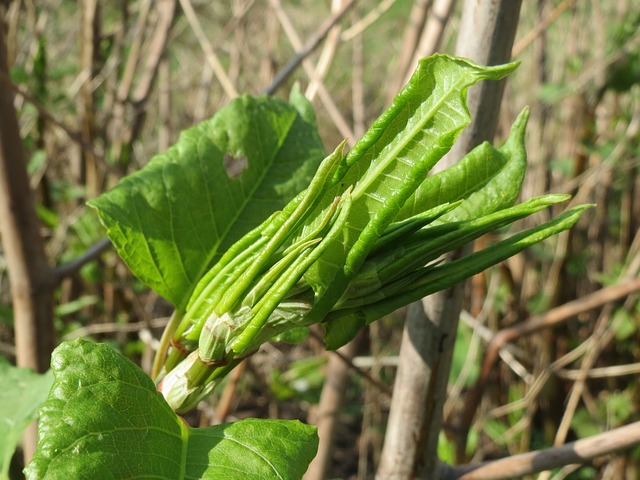
Every living thing known to man has a Latin name that should be used when referring to that species in a formal scientific context. For example, human beings are Homo sapiens, polar bears are Ursus maritimus, and the common sunflower is Helianthus annuus.
In theory, these scientific names are internationally recognised - what you call a 'dog' is called a 'chien' in France and a 'koira' in Finland, but biologists in all three countries should understand what Canis lupus familiaris means.
So what is the proper name for Japanese knotweed? Read a few articles online, and you may notice that different sources use different Latin names when referring to this pesky plant - Fallopia japonica and Reynoutria japonica are the most common, but Polygonum cuspidatum and various other monikers pop up from time to time as well.

In a recent interview with the Daily Express, property expert Ray Harriot advised that sellers should tell the truth about Japanese knotweed on their property - even if this would complicate the transaction.
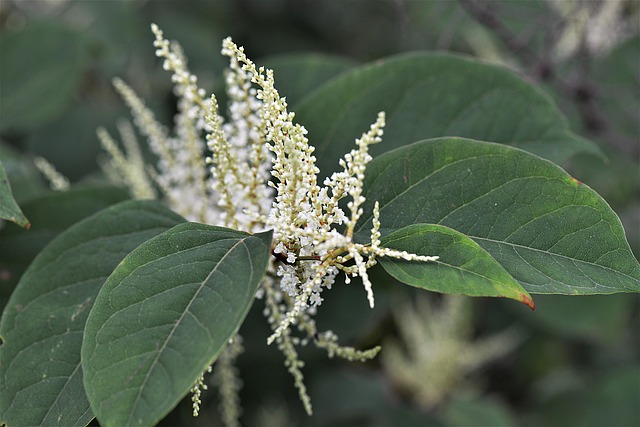
Recent studies suggest that Japanese knotweed could be more effective than antibiotics at treating Lyme disease!
Lyme disease is a tick-borne infection that is known to cause numerous unpleasant effects including meningitis, face paralysis, heart palpitations and severe headaches. While people think that Lyme disease is fairly uncommon, there are over 365,000 new cases of it in the USA and Europe alone.

 Is It Japanese Knotweed?
