
Not all weeds are created equally, some need extra special attention. Unfortunately, Japanese knotweed is one of those 'special attention' weeds and if you find it on your property then it's vital that you deal with the problem quickly. There are lots of different approaches to eradicating Japanese knotweed, some are more drastic than others! Burning and backyard excavation can be quite intimidating to people, especially if the knotweed is located close to their homes or businesses, so people often seek alternatives.
One method of treating Japanese knotweed that doesn't require any digging or burning is covering it to choke it out. By depriving any living shoots of water and sunlight, they should die... right?
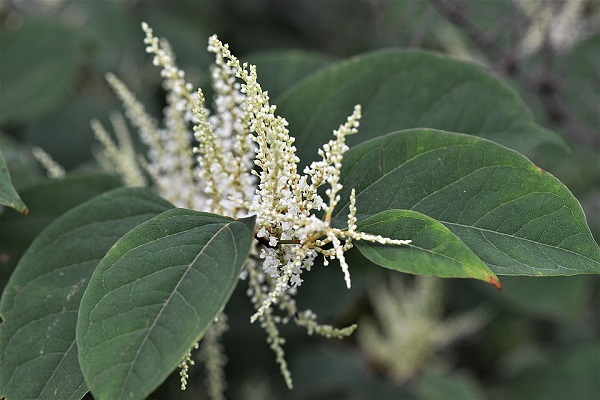
If you've found Japanese knotweed on your property, it's important you get rid of it quickly and efficiently. Leaving knotweed for weeks or months can have a detrimental impact on your property, and even lead to disputes with neighbours!
Of course, there's more than one way to tackle Japanese knotweed, and some ways are better than others. In today's blog, we'll take a look at the best way to get rid of Japanese knotweed.
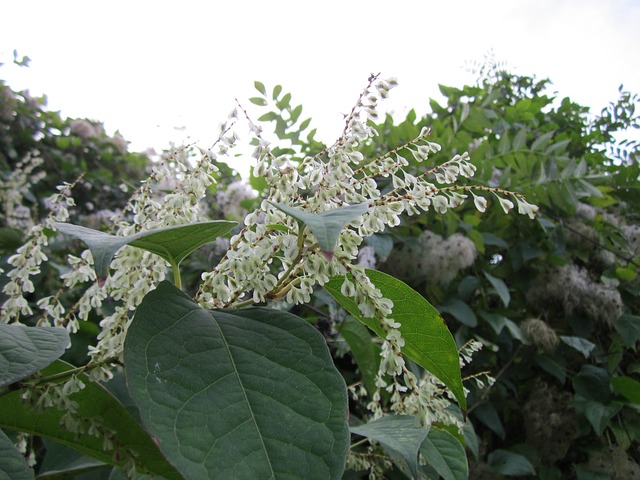
Japanese knotweed cropping up anywhere, especially near your home, can be a real cause for concern. If you spot Japanese knotweed on council or housing association land near your home, you need to make sure you report it as soon as possible.
We're sure you already know how quickly Japanese knotweed can spread, and it could show up on your land in only a few weeks if it's left unchecked! Ok, let's not panic too much. Here are the steps you should take to report Japanese knotweed on council or housing association land.
Head to your local council's website
The first thing you should do is check out your local council's website. Some council websites have a section dedicated to Japanese knotweed, and you should be able to report the problem there. Failing that, you should be able to find their contact details so you can tell them about the Japanese knotweed over the phone or via email.
What if the knotweed has spread to my property?
If Japanese knotweed is growing on your own property, it may be wise to contact an invasive weed expert before the problem gets any worse. Here at Total Weed Control, we offer a professional Japanese knotweed treatment service to help you get this plant under control.
Our experienced Japanese knotweed specialists can help homeowners to work with local councils and housing associations to get the plant treated to everybody's satisfaction. Get in touch with us to arrange a visit.
Request a Free Survey >
What Japanese knotweed laws are councils and housing associations required to follow?
Any organisation, whether it's a local council or a housing association, are subject to the same Japanese knotweed laws. These laws state that allowing knotweed to spread from your land to someone else is illegal and can be prosecuted as a private nuisance.
If you've spotted Japanese knotweed on council land, get in touch with the council, then get in touch with us! We can help you get the problem under control quickly. If you have any questions, don't hesitate to contact Total Weed Control.
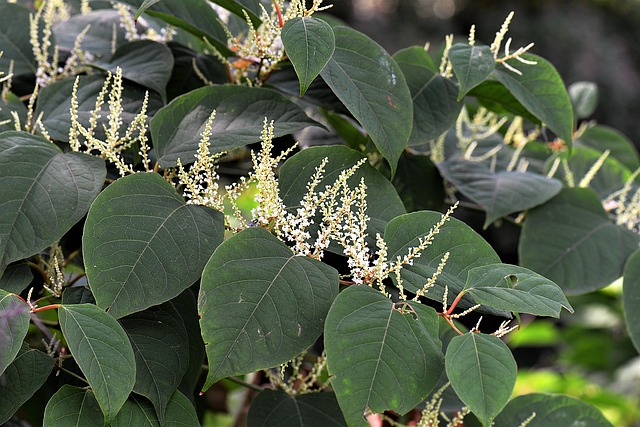
SHORT ANSWER: To kill Japanese knotweed, we recommend a three-year herbicide programme, followed by a two-year monitoring period to make sure it doesn't come back. However, we also offer excavation and removal if you need quick results.
Like old habits and Bruce Willis, Japanese knotweed dies hard. This invasive plant species is tough and versatile - it can grow in all sorts of different environments, and it's very difficult to destroy. Just when you think you've gotten rid of it once and for all, spring arrives, and those purple shoots emerge from the ground yet again.
When Japanese knotweed is found on or near properties, it can pose an array of potentially expensive problems for a number of different parties. Firstly, homeowners who spot knotweed near their property may begin to worry about its far-reaching and invasive rhizomes growing through buildings and foundations causing structural damage.
Secondly, estate agents worry as Japanese knotweed near properties may pose a risk to potential sales. And lastly, property developers fear unbudgeted costs due to Japanese knotweed treatment and site delays if the plant is not dealt with properly from the very start.
With all of these potential problems, it comes to no surprise that many people take to dealing with Japanese knotweed themselves. However, as knotweed becomes more problematic due to its ability to spread easily if managed incorrectly, much legislation on the management and removal of knotweed now exists. One of the most commonly asked questions surrounding knotweed and its removal is "can Japanese knotweed be burnt?"
To make things easy to understand, the experts here at Total Weed Control are here to tell you.


 Is It Japanese Knotweed?
