
Japanese knotweed has been plaguing homeowners since the 19th century, and it doesn't look like it'll be slowing down anytime soon. Landowners who leave Japanese knotweed untreated are usually the root cause of the problem. One minute the Japanese knotweed is contained to their land, and the next it crops up in all the gardens in the street!
If you find Japanese knotweed on your property (and you know you didn't put it there), then the first thing that you'll want to get to the bottom of is where it came from and who's responsible for it. Japanese knotweed can cause structural damage, reduce the value of your home and is expensive to remove so there's no doubt that you'll want to make a compensation claim as soon as possible.
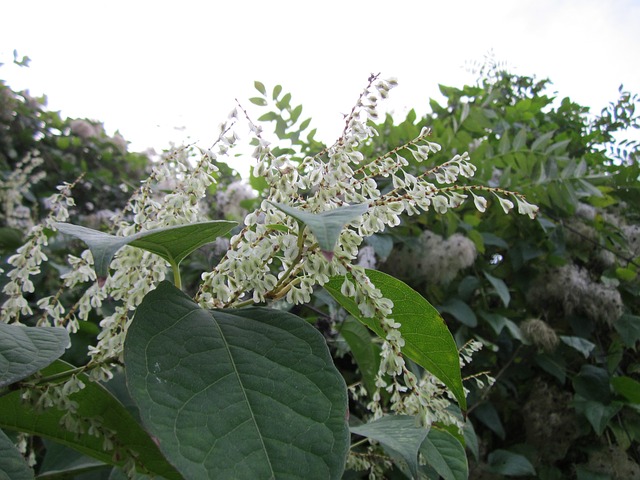
A housing association has come under fire after it allowed a Japanese knotweed plant to encroach on a neighbouring garden. Here's the full story...
The owner of a home in Peckham contacted his lawyer after spotting some Japanese knotweed emerging on his property. He had owned the terraced house for over 32 years and identified the invasive weed making its way into his garden.

As many British homeowners are sadly aware, Japanese knotweed is an invasive plant species that's strong enough to grow through concrete and cause significant damage to buildings and roads.
For this reason, the presence of Japanese knotweed can reduce a property's value by as much as 20% - it's notoriously difficult to sell a house with Japanese knotweed, and getting rid of it often takes multiple applications of herbicide over a number of months.
Wouldn't it be nice if there were a species of animal willing to eat our Japanese knotweed problems away?
Today we take a look at a type of knotweed found not too far from its troublesome cousin Japanese knotweed - Chinese knotweed (Reynoutria multiflora).
Japanese knotweed is an invasive plant species that's notoriously hard to control and treat. There are lots of different methods you can use to stop the spread of knotweed, but homeowners and gardeners are always on the lookout for new, effective methods to try.
One of the main hurdles faced when treating Japanese knotweed is making sure that the plant visible above ground and the roots and shoots underground are completely destroyed. After all, this is the only way you can prevent the knotweed problem from coming back in the future. A lot of the time, knotweed technicians remove excavated land knowing full well that remanence of the invasive weed could cause a problem later down the line, but there are very few ways of effectively killing the entire plant.
Researchers are trailing a soil treatment that uses high temperatures to eradicate the plant roots before the excavated soil is taken away from the site. It makes perfect sense when you think about it, plants require optimal temperature conditions if they’re going to thrive. Put them in an environment that’s too cold or too hot and they won’t be able to grow or develop at their usual rate.
Testing the effectiveness of heat on knotweed
The study carried out by two researchers; Van Gelder Aannemingsmaatschappij and Van den Herik Zuigtechniek involved soil from six known knotweed infestations being strained and treated using revolutionary mobile heating apparatus.
After the soil was heated, the researchers studied it for seven weeks to monitor whether any knotweed would grow from it or not. The results showed that straining and heating the soil reduced the number of vital fragments by an impressive 99%!
This is a soil treatment that is not yet being used in mainstream knotweed treatment but could really help to reduce the spread of knotweed from excavated soil in the future. Researchers indicated that this method would need to be combined with a suitable aftercare plan to make sure that no surviving shoots would cause problems later down the line – something that would need to be considered carefully before technicians tried this method.
If you have a Japanese knotweed problem that needs treating – take a look at the different treatment methods we offer. Alongside excavation and removal programs we also offer herbicide application programs to rid your property of this invasive weed for good!

 Is It Japanese Knotweed?
