Summer's here, which means that Japanese knotweed plants in the UK are currently in the most aggressive phase of their growing cycle (see When Does Japanese Knotweed Grow? for more information on that).
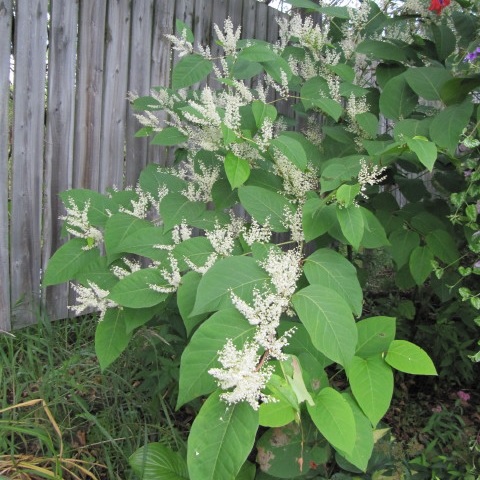
Photo by Leonora Enking (View Original)
Japanese knotweed is at its most visible during the summer, so now is the time to have a look outside and make sure this invasive plant species is not growing on your property. If you suspect that Japanese knotweed is growing on your property, but you're not 100% sure, we recommend sending in a photo of the suspect plant. One of our professional technicians will be able to identify the knotweed plant and suggest a suitable course of action.
Japanese Knotweed Identification Japanese Knotweed Removal
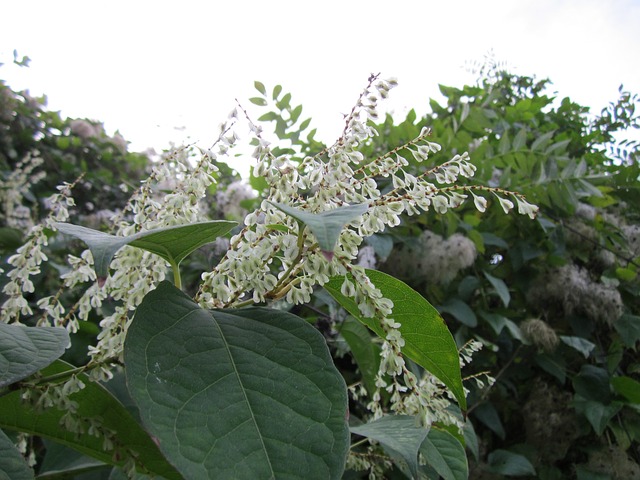
Japanese knotweed can be found all over the UK. Many British homeowners have had problems with this invasive plant species, but it is also abundant in the wild - on roadsides and near railway lines, for example.
What is Japanese Knotweed?
Ecologists are already employing all sorts of different tactics to get the UK's Japanese knotweed problem under control (perhaps you remember our recent blog post about the sniffer dogs who'd been trained for this purpose). But it's hard to defeat an enemy whose location is unclear, and one big hurdle in the fight against Japanese knotweed is the fact we don't know exactly how widespread the plant is.

SHORT ANSWER: Japanese knotweed can grow up to 10cm per day during the summer months.
Japanese knotweed has a reputation for fast, aggressive growth. Not only can this invasive plant species grow through cracks in brickwork and concrete, it can do so with rather frightening speed!
Japanese knotweed's growth rate depends on the time of year. As we've discussed previously (see When Does Japanese Knotweed Grow?) the plant goes dormant during the winter months, then re-emerges in the spring.
Summer is when the plant hits its top growing speed. Japanese knotweed loves warm weather, and it has been known to grow by as much as 10cm per day during the summer months!
Like an unwanted house guest, Japanese knotweed can be difficult to get rid of. Patience and persistence are key to getting the job done properly.
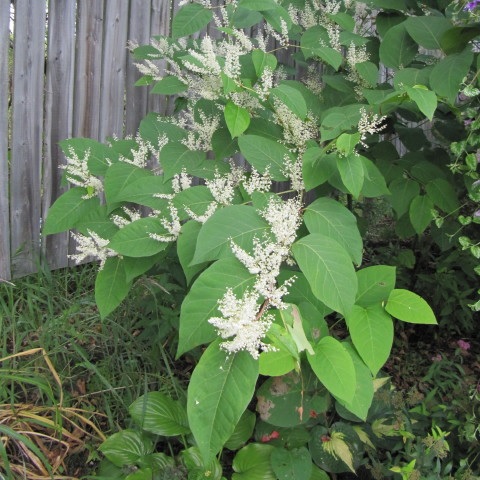
Photo by Leonora Enking (View Original)
As we discussed in our blog about Japanese knotweed's growing cycle, this invasive species may appear to die off completely during the winter months. But appearances can be deceptive.

When selling a property in this country, you have to fill out a TA6 form, which includes this question:
Is the property affected by Japanese knotweed?
☐ Yes
☐ No
☐ Not known
It's important for sellers to answer this question truthfully, because Japanese knotweed is an invasive species that can grow very rapidly and may cause structural damage if it grows through cracks in a wall or foundation. Homes with Japanese knotweed are notoriously difficult to sell, and getting rid of the plant can be an long and costly process.
READ MORE: Selling a House with Japanese Knotweed
Unfortunately, there are some dishonest people out there, and sellers will occasionally feign ignorance of their Japanese knotweed problem for fear that it will complicate the sale. So what should you do if you've discovered Japanese knotweed on your property...and the seller didn't tell you about it?

 Is It Japanese Knotweed?
